
Introduction
Cervical pain due to mobile use has quietly become one of the most common lifestyle problems in India. Whether you’re a student attending online classes, a professional working remotely, or someone scrolling late at night — your neck is under constant stress.
With smartphones becoming an essential part of daily life, many people unknowingly develop neck pain due to mobile use, also known as text neck syndrome.
The good news? This condition is preventable and reversible with the right habits.
In this guide, you’ll learn:
- Why your phone is hurting your neck
- Early warning signs you shouldn’t ignore
- Practical fixes you can start today
- Simple exercises for long-term relief
Table of Contents
- What is Cervical Pain?
- How Mobile Usage is Damaging Your Neck
- How Mobile Use Causes Cervical Pain (Text Neck Explained)
- Symptoms of Cervical Pain Due to Mobile Use
- Common Posture Mistakes While Using Mobile
- Step-by-Step Solutions to Fix Cervical Pain
- Exercises & Stretches for Relief
- Prevention Tips for Daily Life
- When to See a Doctor
- FAQs
- Conclusion
What is Cervical Pain?
Cervical pain refers to discomfort or stiffness in the neck region, specifically in the cervical spine — the top part of your spine that supports your head.
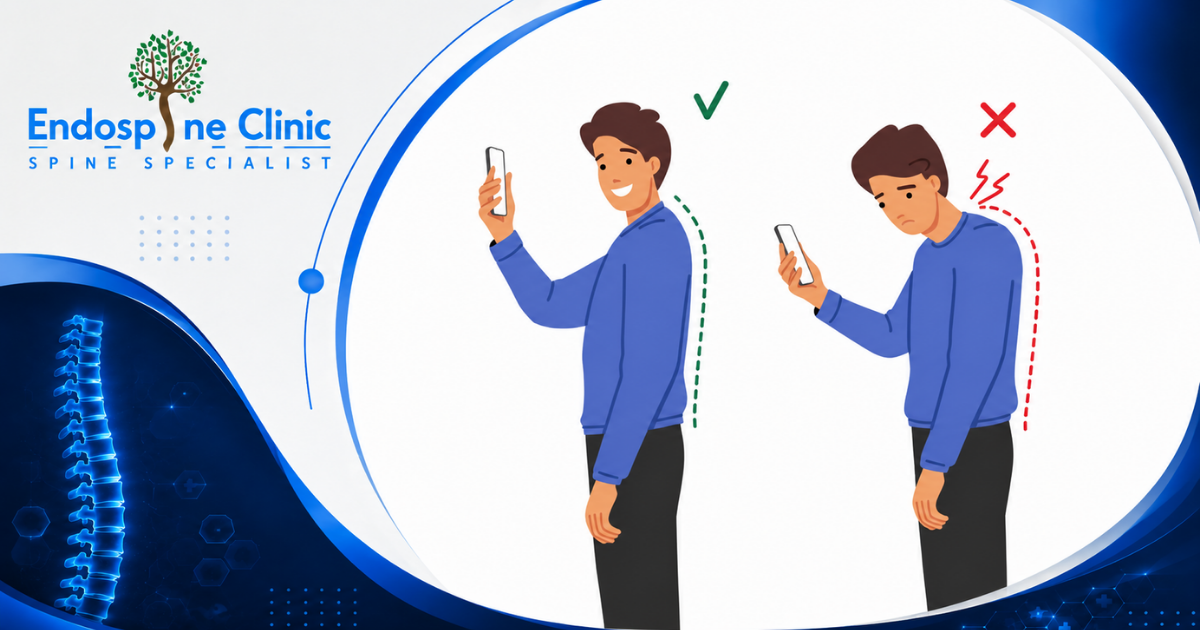
Your head weighs around 4–5 kg. When you tilt it forward (like while using your phone), the pressure on your neck can increase up to 25–30 kg.
This repeated strain leads to:
- Muscle fatigue
- Disc stress
- Nerve irritation
Over time, this results in cervical pain due to mobile use.
How Mobile Usage is Damaging Your Neck
The Hidden Problem: “Digital Lifestyle Strain”
In urban India, people spend:
- 4–8 hours daily on smartphones
- Additional screen time on laptops
This creates a constant forward head posture, which is unnatural for the spine.
Why This is Dangerous
- Neck muscles stay contracted for long periods
- Blood circulation reduces
- Spine alignment gets disturbed
This is why even young people (18–30 age group) are now reporting mobile posture neck pain.
How Mobile Use Causes Cervical Pain (Text Neck Explained)

Text neck syndrome is a modern condition caused by looking down at devices for extended periods.
What Happens Internally?
- Neck bends forward
- Spine loses its natural curve
- Muscles overstretch
- Ligaments weaken
Real-Life Example
Think about your daily routine:
- Checking WhatsApp first thing in the morning
- Scrolling Instagram during breaks
- Watching reels before sleep
All of this adds up to hours of strain — leading to cervical pain mobile usage issues.
Symptoms of Cervical Pain Due to Mobile Use
Recognizing early signs can prevent serious complications.
Common Symptoms
- Persistent neck stiffness
- Pain while turning your head
- Shoulder tightness
- Headaches starting from the neck
- Tingling in arms or fingers
Advanced Symptoms
- Reduced neck mobility
- Sharp pain while looking down
- Muscle spasms
- Radiating pain to arms
If ignored, this can develop into chronic smartphone neck pain.
Common Posture Mistakes While Using Mobile
Most people don’t realize how small habits cause big problems.
Top Mistakes
- Holding phone below chest level
- Bending neck forward for long periods
- Using phone while lying down
- No breaks during screen time
- Slouching while sitting
Work-from-Home Impact
With hybrid work culture in India, people often:
- Use phones + laptops simultaneously
- Sit in non-ergonomic positions
This accelerates neck pain due to mobile use.
How to Fix Cervical Pain (Step-by-Step Solutions)
You don’t need expensive treatments — just consistent habit changes.
1. Raise Your Phone to Eye Level
Keep your screen at eye height to reduce neck bending.
2. Follow the 20-20-20 Rule
Every 20 minutes:
- Look away for 20 seconds
- Relax your neck
3. Maintain Neutral Spine Posture
- Sit upright
- Keep shoulders relaxed
- Avoid slouching
4. Limit Screen Time
Reduce unnecessary scrolling, especially before sleep.
5. Use Supportive Chairs
Especially important for office workers and students.
Exercises & Stretches for Neck Pain Relief
These exercises help reduce cervical pain due to mobile use effectively.
1. Chin Tucks
- Sit straight
- Pull chin backward
- Hold for 5 seconds
✔ Improves posture
2. Neck Side Stretch
- Tilt head to one side
- Hold for 10 seconds
- Repeat both sides
✔ Relieves muscle tightness
3. Shoulder Rolls
- Roll shoulders forward & backward
- Repeat 10 times
✔ Reduces stiffness
4. Neck Rotation
- Slowly rotate neck in circles
- Avoid sudden movement
✔ Improves flexibility
5. Upper Trap Stretch
- Pull head gently to one side using your hand
✔ Targets deep neck muscles
Prevention Tips (Daily Habits & Ergonomics)
Prevention is the best cure for cervical pain mobile usage.
Daily Habits
- Keep phone at eye level
- Take frequent breaks
- Avoid using phone in bed
Ergonomic Tips
- Use a proper chair and desk
- Keep laptop screen aligned with eyes
- Use a pillow with neck support
Lifestyle Changes
- Exercise regularly
- Stay hydrated
- Avoid prolonged screen time
When to See a Doctor
While mild pain can be managed at home, consult a specialist if you experience:
- Pain lasting more than 2 weeks
- Severe stiffness
- Numbness or tingling
- Difficulty moving your neck
FAQs
1. Can mobile phones really cause cervical pain?
Yes, prolonged usage with poor posture leads to cervical pain due to mobile use.
2. What is text neck syndrome?
It is a condition caused by bending your neck forward while using smartphones.
3. Is cervical pain permanent?
No, it can be reversed with proper posture, exercises, and lifestyle changes.
4. How long does it take to recover from neck pain?
Mild cases improve in 1–2 weeks with proper care.
Conclusion
Cervical pain due to mobile use is a growing problem in India — but it’s also highly preventable.
Your daily habits matter more than you think.
By making small changes like:
- Improving posture
- Taking breaks
- Doing simple exercises
You can completely avoid long-term damage.
