
Living with chronic back pain can be a deeply exhausting and emotionally draining experience. It affects your ability to work, enjoy time with your family, and even perform the simplest daily tasks. For decades, the sheer thought of undergoing spinal surgery terrified patients. People feared massive incisions, prolonged hospital stays, and unpredictable outcomes. However, the medical landscape has completely transformed. Today, navigation in minimally invasive spine surgery has revolutionized how doctors approach complex spinal disorders.
By integrating computer-assisted technology and real-time 3D imaging, modern surgeons can operate with unprecedented precision. If you are residing in Gujarat, you no longer need to travel to distant metro cities to receive world-class medical care. Patients can now access advanced spine treatment in Vadodara, benefitting from top-tier hospitals and highly experienced specialists.
This comprehensive guide will explore exactly how this groundbreaking surgical technology works. We will dive deep into its incredible benefits, the conditions it treats, and why choosing the right local expert makes all the difference in your healing journey.
Table of Contents
-
The Psychological and Physical Burden of Back Pain
-
The Evolution of Spinal Care: Why Navigation Matters
-
How Does Navigation in Minimally Invasive Spine Surgery Work?
-
7 Transformative Benefits of Image-Guided Spine Surgery
-
Common Conditions Treated with This Advanced Technology
-
Choosing the Right Spine Specialist in Vadodara
-
Frequently Asked Questions (FAQs)
-
Conclusion
The Psychological and Physical Burden of Back Pain
Before diving into surgical solutions, it is essential to acknowledge the true impact of chronic spinal conditions. Back pain is rarely just a physical ailment; it carries a heavy psychological weight.
When your mobility is restricted, your independence takes a massive hit. Many patients experience feelings of frustration, anxiety, and even depression as they are forced to cancel plans and step back from their favorite hobbies.
The fear of permanent disability often prevents individuals from seeking surgical help. They rely entirely on temporary fixes like strong pain medications, which come with their own set of dangerous side effects.
However, medical science has recognized this fear. The development of advanced, minimally invasive surgical techniques aims to alleviate patient anxiety by offering safer, faster, and far more reliable outcomes.
The Evolution of Spinal Care: Why Navigation Matters
To truly appreciate modern advancements, we must look at how spine surgery used to be performed. Historically, traditional open spine surgery was the only viable option for severe conditions.
In an open procedure, a surgeon makes a long incision straight down the middle of the back. They then have to forcibly pull thick, healthy muscle tissues away from the spinal column.
This aggressive retraction is necessary for the surgeon to gain a clear line of sight to the damaged discs or bones. While this method is highly effective in fixing the spine, it causes significant collateral damage to the surrounding healthy tissues.
Patients undergoing open surgery often face weeks of excruciating pain, strictly due to the muscle trauma caused during the operation. This extended healing period results in longer hospital stays and delayed physical therapy.
The introduction of minimally invasive techniques changed everything. By using tiny incisions and specialized instruments, surgeons could preserve the muscles. But there was one hurdle: visibility. How can a surgeon operate on delicate nerves if they cannot see them directly? This is exactly where navigation in minimally invasive spine surgery steps in to bridge the gap.
How Does Navigation in Minimally Invasive Spine Surgery Work?
Imagine trying to navigate through a dense, unfamiliar forest in the pitch dark. Without a map, the journey is risky and slow. Now, imagine having a high-tech GPS system that shows your exact location in real-time.
This is the perfect analogy for navigation in minimally invasive spine surgery. This sophisticated technology acts as a GPS for the human body, guiding the surgeon’s instruments with sub-millimeter accuracy.
The entire process begins long before the patient is wheeled into the operating room. Your medical team will take highly detailed CT or MRI scans of your spine.
These high-resolution images are then uploaded into the hospital’s computer navigation system. The software creates a precise, customized 3D roadmap of your unique spinal anatomy.
Once in the operating room, the surgeon makes an incredibly small incision, often less than an inch long. Instead of cutting through your back muscles, they insert a specialized tool called a tubular retractor.
This smooth tube gently pushes the muscle fibers apart, creating a tiny, safe tunnel directly to the problem area of your spine.
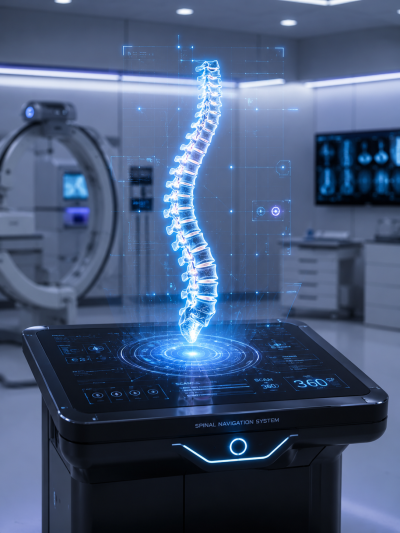
The surgeon then uses tracked surgical instruments. Sensors in the operating room communicate with these tools, displaying their exact position over the 3D roadmap on high-definition screens.
The surgeon can watch their every move on the monitor in real-time. They can see exactly where the nerves, blood vessels, and bones are without having to open up your entire back.
7 Transformative Benefits of Image-Guided Spine Surgery
The integration of computer guidance into spinal procedures offers life-changing advantages for patients. Here are the top seven reasons why this approach is considered the gold standard.
1. Unmatched Precision and Accuracy
The human spine is a highly complex structure housing the spinal cord and delicate nerve roots. Even a millimeter of error can lead to severe consequences. Navigation technology provides flawless accuracy, ensuring that implants are placed perfectly, eliminating the risk of nerve damage.
2. Smaller Incisions and Less Scarring
Because the surgeon relies on a digital roadmap rather than a direct visual line of sight, large cuts are unnecessary. Patients are left with tiny, bandage-sized scars rather than a massive, permanent zipper-like mark down their back.
3. Reduced Radiation Exposure
In traditional minimally invasive surgeries, doctors heavily rely on continuous live X-rays (fluoroscopy) to see where their tools are. This exposes the patient and the surgical team to high doses of radiation. Navigation software significantly reduces the need for constant X-rays, making the procedure much safer for everyone involved.
4. Quicker Recovery Times
Because the surrounding muscles are pushed aside rather than sliced, the body endures far less trauma. This dramatic reduction in surgical injury means the body can focus entirely on healing the spine. Patients recover exponentially faster compared to open surgery.
5. Shorter Hospital Stays
Lengthy hospitalizations are a thing of the past. Thanks to navigation in minimally invasive spine surgery, many procedures are now performed on an outpatient basis. Most patients can comfortably walk and return to their own homes within 24 to 48 hours.
6. Lower Risk of Surgical Complications
Smaller incisions naturally translate to a significantly lower risk of hospital-acquired infections. Furthermore, precise navigation means there is a massive reduction in accidental excessive bleeding, keeping the patient stable throughout the operation.
7. Less Post-Operative Pain
Without severe muscle tearing, the post-operative inflammatory response is minimal. Patients report experiencing vastly less pain following a navigated procedure, which means they rely far less on heavy, addictive prescription painkillers.
Common Conditions Treated with This Advanced Technology
Not all back pain requires surgical intervention. However, when conservative treatments like physical therapy and medication fail, navigated surgery becomes the best path forward.
This advanced technology is highly versatile and is commonly used to treat a variety of painful spinal conditions:
-
Herniated or Bulging Discs: When the soft cushion between the vertebrae slips out and pinches a nerve, causing severe radiating pain down the legs or arms.
-
Spinal Stenosis: A condition where the spinal canal narrows over time, compressing the spinal cord and causing numbness or weakness.
-
Degenerative Disc Disease: The natural wear and tear of spinal discs due to aging, leading to chronic instability and discomfort.
-
Spondylolisthesis: A painful condition where one vertebra slips forward over the bone directly beneath it.
-
Spinal Tumors: Navigated surgery allows for the precise and safe removal of dangerous growths without damaging healthy spinal tissues.
-
Vertebral Compression Fractures: Often caused by osteoporosis, these painful bone collapses can be safely stabilized using image-guided cement injections.
Choosing the Right Spine Specialist in Vadodara
Location matters when it comes to healthcare, and Vadodara has rapidly positioned itself as a leading medical hub in Gujarat. The city is home to state-of-the-art hospitals equipped with the latest robotic and navigated technologies.
When your mobility is on the line, finding the best spine surgeon in Vadodara is the most critical decision you will make. You need a medical professional who is not just highly educated, but extensively trained in computer-assisted surgical systems.
Not every orthopedic doctor has the specialized training required to operate these complex navigation platforms. A dedicated spine specialist in Vadodara will have a track record of successful minimally invasive procedures and excellent patient testimonials.
Furthermore, local treatment offers incredible benefits for patients living in Gujarat. Recovering close to home means you have the immediate support of your family and friends. You avoid the physical strain and massive expenses associated with long-distance medical travel.
The top hospitals in Vadodara maintain strict international hygiene protocols, boast NABH accreditations, and employ compassionate nursing staff. They prioritize your comfort and safety from the moment you walk through the doors for your initial consultation.
When searching for the right doctor, look for transparency. The best surgeons will first attempt to heal you using non-surgical methods. If surgery becomes necessary, they will sit down with you, explain the navigation technology in simple terms, and design a customized surgical plan tailored to your specific anatomy.
Frequently Asked Questions (FAQs)
1. Is navigation in minimally invasive spine surgery completely safe?
Yes, it is remarkably safe. In fact, the primary purpose of the navigation system is to act as an added layer of safety. By providing real-time 3D visuals of the spine, the technology drastically reduces the risk of human error and nerve damage.
2. How do I know if I need this type of surgery?
Surgery is usually considered a last resort. If you have been suffering from chronic back pain, radiating leg pain, or spinal stenosis that hasn’t improved with physical therapy and medication, you might be a candidate. You should consult a specialized spine specialist in Vadodara for a comprehensive evaluation.
3. Will I be awake during the navigated surgical procedure?
No. Most navigated, minimally invasive spine surgeries are performed under general anesthesia. You will be completely asleep, closely monitored by an expert anesthesiologist, and will feel absolutely no pain during the procedure.
4. How do I find the best spine surgeon in Vadodara?
To find the right specialist, look for a board-certified surgeon with specific fellowship training in minimally invasive and robotic spine techniques. Read patient reviews, ask for success rates, and ensure they practice at a modern hospital equipped with 3D navigation technology.
5. Will my health insurance cover navigated spine surgery?
In most cases, yes. Navigated minimally invasive surgery is a medically necessary procedure for qualifying conditions. However, coverage limits vary depending on your specific policy. The billing department at your chosen hospital in Vadodara can help you verify your insurance benefits before proceeding.
Conclusion
Reclaiming your life from chronic back pain is a deeply personal and vital journey, but it no longer has to be a terrifying one. Navigation in minimally invasive spine surgery brings the brilliant future of medicine into the present day.
This phenomenal technology offers unparalleled safety, rapid healing, and brilliant, long-lasting outcomes. It respects your body by minimizing tissue damage, allowing you to get back on your feet faster than ever before.
If you are struggling with a debilitating spinal condition, taking action today can save you from years of unnecessary discomfort. Do not let back pain dictate your schedule or steal your joy.
Reach out to a qualified and trusted spine specialist in Vadodara to explore your options. You deserve a life filled with movement, freedom, and zero limitations.
Are you ready to take the very first step toward a strong, pain-free spine? Do not wait for the pain to worsen. Contact our dedicated experts to book your consultation online today and discover how our advanced treatments can transform your life.
