
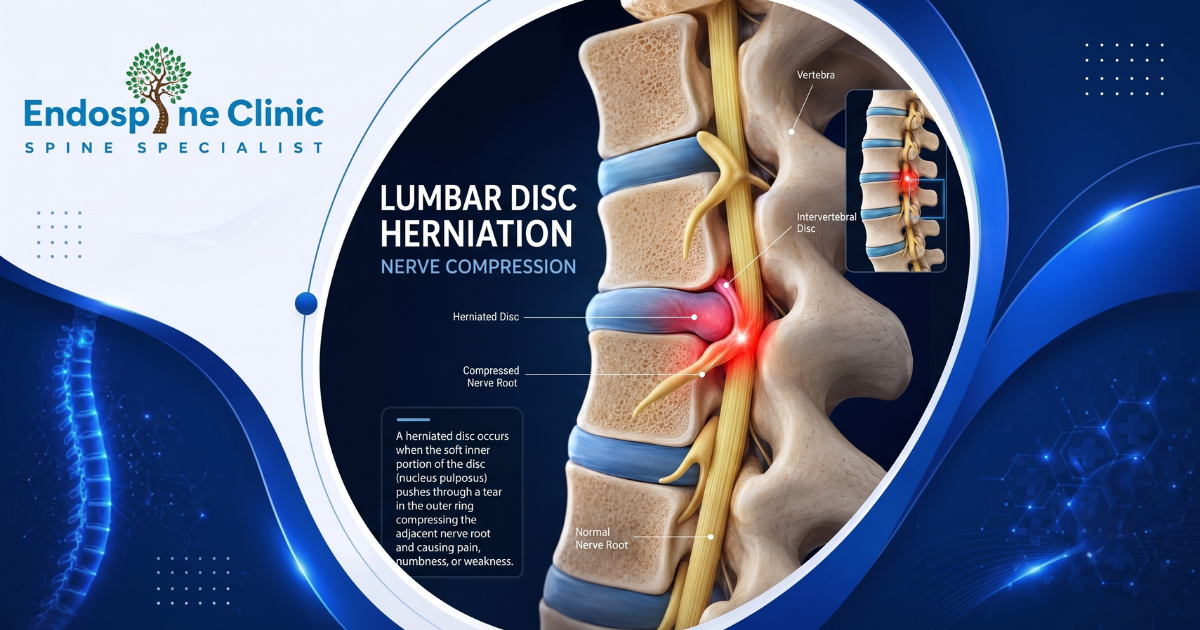
Sharp, shooting pain radiating from your lower back down to your leg can completely disrupt your daily routine. This condition, widely known as sciatica, occurs when the sciatic nerve becomes compressed or irritated. Many individuals living with this discomfort initially turn to quick home fixes like heating pads or over-the-counter pain relievers to find comfort. While these temporary measures might offer short-term ease for minor muscle tightness, they often fail to address the underlying structural issue causing the nerve pressure.
For long-term recovery and to prevent permanent nerve damage, understanding the limits of self-care is essential. Securing a proper clinical diagnosis and timely medical intervention ensures you target the root cause of the pain rather than just masking the symptoms. In Gujarat’s growing medical hub, accessing professional healthcare early can make all the difference. Choosing specialized sciatica treatment in Vadodara allows patients to transition safely from temporary home remedies to structured, highly effective medical care.
Table of Contents
-
The Core Limitations of Sciatica Home Remedies
-
Recognizing Your Sciatica Symptoms: When Home Care Isn’t Enough
-
Comprehensive Sciatica Treatment in Vadodara: Advanced Medical Solutions
-
Specialized Spine Care Infrastructure in Gujarat
-
Key Benefits of Early Medical Intervention and Recovery Milestones
-
Frequently Asked Questions (FAQs)
-
Conclusion & Next Steps
The Core Limitations of Sciatica Home Remedies
When mild lower back discomfort begins, starting with basic home remedies is a common first reaction. Applying ice packs, using warm compresses, and practicing gentle stretching can temporarily soothe irritated tissues and reduce localized muscle spasms around the spine. These methods are highly accessible and provide immediate, low-risk comfort for mild, transient flare-ups.
Important Note: Home remedies only alter your perception of pain temporarily. They cannot physically remove structural pressure from a compressed sciatic nerve.
Relying entirely on self-care for prolonged periods carries distinct medical risks:
-
Masking Progressive Damage: Pain relievers dull your body’s natural warning signals while the underlying spinal issue potentially worsens.
-
Prolonged Nerve Compression: The longer a nerve remains pinched by a disc or bone spur, the higher the risk of chronic, irreversible nerve irritation.
-
Development of Compensatory Injuries: Walking or sitting awkwardly to avoid sciatica pain alters your natural biomechanics, frequently leading to secondary strain in your hips, knees, and opposite leg.
Recognizing Your Sciatica Symptoms: When Home Care Isn’t Enough
Distinguishing between mild muscle fatigue and a true spinal issue is vital for protecting your long-term mobility. While a standard muscle strain usually resolves completely within a few days of rest, true sciatica involves specific neurological patterns that require professional evaluation.
Mild Muscle Strain vs. Deep Nerve Compression
A muscle strain generally presents as a dull, aching soreness confined to the lower back or gluteal region, typically intensifying only when you move or bend. In contrast, nerve compression sends sharp, electric, or burning sensations traveling past the knee and into the foot. If your symptoms persist beyond 7 to 10 days despite continuous rest, it indicates that the nerve irritation requires a targeted clinical assessment.
Neurological Warning Signs
You should seek immediate assistance from a qualified spine specialist in Vadodara if you experience any of the following progressive neurological symptoms:
-
Foot Drop: Finding it difficult or impossible to lift the front part of your foot while walking.
-
Persistent Numbness: A continuous loss of sensation or a “pins and needles” feeling in your leg, calf, or foot.
-
Progressive Weakness: Noticing that your leg suddenly gives way or feeling a distinct lack of strength when climbing stairs.
-
Loss of Bowel or Bladder Control: A critical medical emergency (Cauda Equina Syndrome) that demands immediate emergency surgical evaluation.
Comprehensive Sciatica Treatment in Vadodara: Advanced Medical Solutions
Transitioning to professional medical care opens up a wide range of targeted, evidence-based treatments designed to relieve pressure on the sciatic nerve and restore your natural mobility. Modern spine care prioritizes conservative, non-surgical protocols before ever considering surgical options.
1. Advanced Diagnostic Imaging
An accurate recovery plan always begins with high-precision diagnostics. Specialists utilize advanced imaging technologies to pinpoint the exact location and cause of nerve compression:
-
Digital X-rays: Useful for evaluating overall spinal alignment, detecting bone spurs, or identifying joint narrowing.
-
High-Resolution MRI: The gold standard tool for viewing soft tissues, allowing doctors to see the exact size and direction of a herniated disc pressing against the nerve root.
2. Targeted Medical and Physical Therapies
Once the diagnosis is confirmed, a personalized treatment plan is constructed. This plan typically combines advanced pharmacology with highly specific physical rehabilitation:
-
Prescription Medications: Utilizing specialized nerve-pain modulators, muscle relaxants, and targeted anti-inflammatory drugs that offer far greater efficacy than standard over-the-counter options.
-
Structured Physical Therapy: A customized exercise program focused on relieving nerve pressure, strengthening core stabilizing muscles, and correcting posture to prevent future flare-ups.
3. Advanced Interventional Pain Management
If oral medications and physical therapy do not provide sufficient relief, interventional procedures can deliver powerful, localized anti-inflammatory treatment directly to the source of the pain:
-
Epidural Steroid Injections (ESI): Performing a precise, image-guided injection of anti-inflammatory medication directly into the epidural space surrounding the compressed nerve, drastically reducing swelling and pain.
4. Advanced Surgical Options
For severe cases where conservative therapies fail to provide relief, or when progressive nerve damage threatens leg function, modern surgical options offer highly effective results:
-
Microdiscectomy: A minimally invasive procedure where a surgeon uses specialized microscopes to remove the specific fragment of a herniated disc that is pressing on the nerve.
-
Laminectomy: Removing a small portion of the spinal vertebra (the lamina) to create more space for the nerves, immediately relieving pressure caused by spinal stenosis.
Specialized Spine Care Infrastructure in Gujarat
Over the past decade, Gujarat has established itself as a premier destination for advanced medical care. Patients seeking specialized spine treatment can find world-class clinical expertise right in their local region, eliminating any need to travel to distant metropolitan cities.
| Feature | Local Medical Advantage | Patient Benefit |
|---|---|---|
| Technology | High-resolution MRI & dedicated modular surgical suites | Exceptionally precise diagnoses and safer procedures |
| Expertise | Board-certified spine specialists and physical therapists | Comprehensive care tailored to complex spinal conditions |
| Accessibility | Centrally located clinics with streamlined scheduling | Minimal travel stress and faster access to consultations |
| Continuity | Integrated diagnostic, treatment, and rehab facilities | Seamless care transitions from initial visits to full recovery |
Choosing local medical care ensures that your diagnostic scans, specialist consultations, interventional procedures, and subsequent physical therapy sessions are all managed within a single, coordinated regional ecosystem. This geographic convenience significantly reduces the physical stress of traveling while dealing with acute leg pain, allowing you to focus entirely on your recovery.
Key Benefits of Early Medical Intervention and Recovery Milestones
Consulting a qualified expert early in your condition prevents minor disc issues from escalating into chronic, long-term nerve issues. Professional medical management ensures your spine heals correctly under expert supervision.
Why Early Intervention Matters
-
Prevents Chronic Nerve Damage: Relieving nerve compression early protects the delicate protective myelin sheath of your nerves, preventing permanent numbness or weakness.
-
Accelerates Safe Return to Function: A structured, medically supervised program safely guides you back to your regular daily activities much faster than unguided home rest.
-
Personalized Preventive Strategies: Specialists teach you correct ergonomic habits and core-strengthening techniques tailored to your specific anatomy, protecting your spine against future injuries.
What to Expect During Recovery

The timeline for recovering from sciatica varies based on the severity of the nerve compression and the specific treatment path chosen:
-
Conservative Care Timeline: Patients undergoing targeted physical therapy and medical management often notice a significant reduction in sharp pain within 4 to 6 weeks.
-
Surgical Recovery Timeline: Following a modern, minimally invasive procedure, many patients experience immediate relief from leg pain. A complete return to standard daily activities and light exercise typically occurs within 3 to 6 weeks post-surgery.
Frequently Asked Questions (FAQs)
1. How long should I try home remedies before seeking professional sciatica treatment?
You can safely try basic home remedies like ice, heat, and gentle stretching for about 7 to 10 days if your pain is mild and manageable. However, if your symptoms do not improve during this time, or if they continue to intensify, you should immediately schedule a consultation with a qualified spine specialist.
2. Can a herniated disc causing sciatica heal without undergoing surgery?
Yes, the vast majority of herniated discs resolve successfully without surgery. Through a combination of targeted lifestyle modifications, prescription medications, dedicated physical therapy, and sometimes image-guided epidural injections, the body can naturally resorb the disc material over time, completely relieving the nerve pressure.
3. Who is considered the best spine surgeon for treating advanced sciatica?
The ideal spine surgeon for your care is a board-certified orthopedic or neurosurgical specialist who has extensive training in modern, minimally invasive spine surgery. When choosing a doctor, look for a specialist who prioritizes conservative therapies first and works alongside a multidisciplinary team of physical rehabilitation experts.
4. What lifestyle adjustments help prevent sciatica flare-ups after medical treatment?
To maintain a healthy spine long-term, focus on strengthening your core muscles, practicing proper workplace ergonomics, avoiding sitting for extended periods without breaks, and maintaining a healthy body weight. Additionally, learning correct lifting techniques—bending at your knees rather than at your waist—significantly reduces stress on your lower lumbar discs.
Conclusion & Next Steps
While initial home remedies like ice, heat, and basic stretching can provide brief comfort during a mild sciatica flare-up, they cannot fix structural spinal issues like a herniated disc or a bone spur pressing directly on a nerve. Relying solely on self-care can mask worsening symptoms and delay effective healing. Seeking timely, professional medical care is the safest path to protecting your mobility and achieving long-term, lasting relief.
If you are experiencing persistent, shooting leg pain or disruptive numbness, don’t wait for the discomfort to worsen. Take a proactive step toward your recovery today. Learn more about comprehensive medical options by exploring our dedicated spine service page, and schedule a professional clinical evaluation with an experienced specialist to build your customized treatment plan.
