
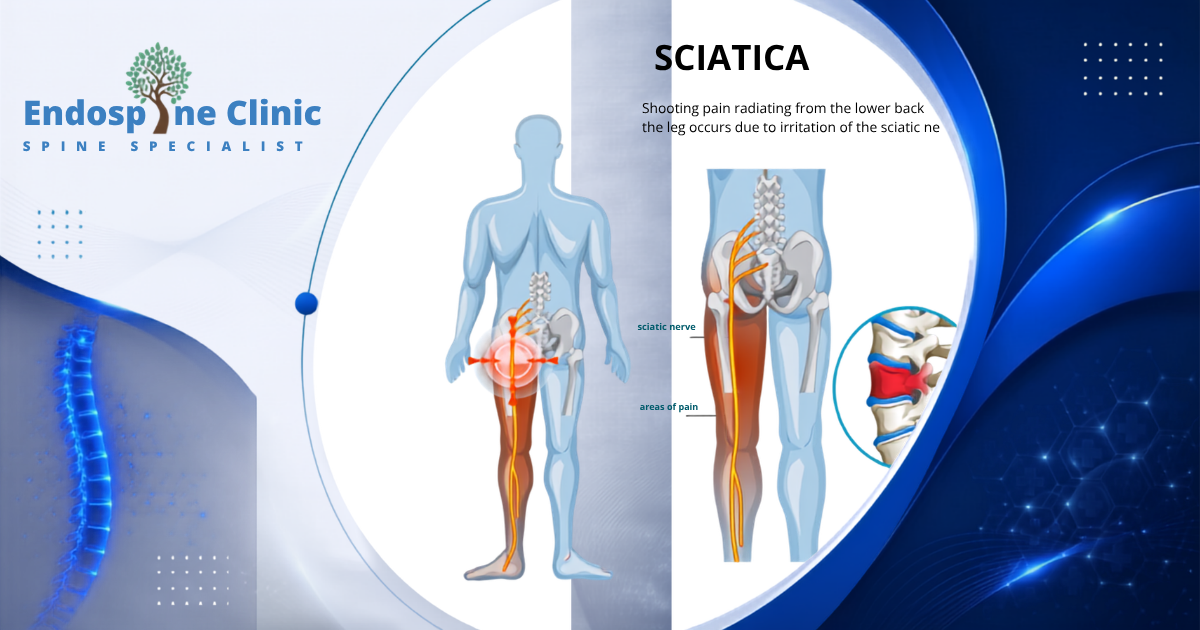
Have you ever felt a sudden, electric shock-like pain shooting from your lower back, right down through your hip and into your leg? If so, you are likely experiencing Sciatica.
This condition is not just a simple backache; it is a distinct, often debilitating nerve pain that can disrupt your entire life. Whether you are navigating the busy streets of Vadodara for your daily commute or sitting at a desk for long hours, sciatic nerve compression can turn simple movements into agonizing tasks.
Fortunately, you do not have to live with this discomfort. With the right medical guidance and advanced spine treatment in Vadodara, finding lasting relief is entirely possible. In this comprehensive guide, we will break down what sciatica really is, explore its most common triggers, and explain exactly when you need to stop ignoring the pain and seek immediate medical care.
Table of Contents
-
What Exactly is Sciatica?
-
Anatomy of the Sciatic Nerve
-
Common Triggers: Why Does Sciatic Nerve Compression Happen?
-
Recognizing the Symptoms: Is it Sciatica or Normal Back Pain?
-
5 Red Flag Signs: When to Seek Immediate Medical Care
-
Diagnosing Sciatica in Vadodara: What to Expect
-
Top Treatment Solutions for Sciatica Relief
-
Finding the Best Spine Surgeon in Vadodara
-
Recovery and Long-term Benefits
-
Frequently Asked Questions (FAQs)
-
Conclusion & Next Steps
What Exactly is Sciatica?
Sciatica refers to pain that radiates along the path of the sciatic nerve. It is important to understand that sciatica is not a disease in itself. Rather, it is a symptom of an underlying medical condition affecting your lower spine.
When the sciatic nerve becomes pinched, irritated, or inflamed, it sends distress signals in the form of pain, tingling, or numbness. For many patients, this sharp leg pain comes on suddenly, often triggered by a simple movement like bending over or lifting a heavy object.
Unlike generalized lower back pain, which can be caused by muscle strains or poor posture, sciatica has a very specific pattern. The pain typically affects only one side of the body, traveling from the lower back through the buttocks and down the back of the thigh and calf.
Anatomy of the Sciatic Nerve
To truly understand this sharp leg pain, you need to know a bit about the sciatic nerve itself. It is the longest and thickest nerve in the human body.
Starting from the lower back (lumbar spine), it is formed by a bundle of nerve roots. These roots merge and travel deep through the buttocks, running all the way down the back of each leg to your toes.
Because this nerve covers such a massive area, any compression at its origin point in the spine can cause symptoms anywhere along its length. This is why a problem in your lower back often feels like severe pain in your calf or foot.
Common Triggers: Why Does Sciatic Nerve Compression Happen?
Understanding what triggers your sciatica is the first step toward effective relief. Sciatic nerve compression rarely happens without a specific structural reason in the spine. Here are the most common culprits:
1. Herniated Discs (Slipped Discs) This is the number one cause of sciatica. Your spine is made of bones (vertebrae) cushioned by rubbery discs. If a disc tears, its jelly-like center can push outward, pressing directly against the sciatic nerve root.
2. Spinal Stenosis More common in older adults, spinal stenosis is the narrowing of the spinal canal. As the canal shrinks, it leaves less room for the nerves, leading to painful pinching and compression of the sciatic nerve.
3. Bone Spurs Over time, osteoarthritis can cause bone overgrowths, known as bone spurs, to form on the spine. These hard projections can easily intrude into the space where the sciatic nerve exits the spine.
4. Piriformis Syndrome The piriformis is a small muscle located deep in the buttocks. If this muscle spasms or becomes dangerously tight, it can compress the sciatic nerve running right beneath it, mimicking true spinal sciatica.
5. Lifestyle and Occupational Triggers Modern lifestyles contribute heavily to spinal issues. Long hours sitting in office chairs, poor posture, heavy lifting, or even enduring bumpy daily commutes across Vadodara can strain the lower back and trigger sciatica over time.
Recognizing the Symptoms: Is it Sciatica or Normal Back Pain?
Many people mistake normal muscle fatigue for sciatica. However, sciatic nerve compression has distinct, undeniable symptoms. If you want to know if you should visit a spine specialist in Vadodara, look out for these specific signs:
-
The Signature “Shooting” Pain: Unlike a dull ache, sciatica feels sharp, burning, or like an electric shock.
-
One-Sided Discomfort: The pain almost always affects only one leg at a time, rarely both.
-
Worse with Movement: Coughing, sneezing, or sitting for prolonged periods usually intensifies the sharp leg pain.
-
Numbness and Tingling: You might feel a “pins and needles” sensation in your leg or foot, similar to when a limb falls asleep.
-
Muscle Weakness: In severe cases, the affected leg may feel heavy, making it difficult to walk or lift your foot.
If your pain matches these descriptions, simple rest might not be enough. Getting a proper evaluation is crucial to prevent long-term nerve damage.
5 Red Flag Signs: When to Seek Immediate Medical Care
While many cases of sciatica resolve with time and conservative care, certain symptoms indicate a medical emergency. Do not wait to see if the pain passes if you experience any of the following “red flags”:
-
Sudden, Severe Pain: An abrupt and extreme escalation of pain in your lower back or leg following a high-impact injury or traffic accident.
-
Loss of Bowel or Bladder Control: This is a critical warning sign of Cauda Equina Syndrome, a rare but dangerous condition that requires emergency surgery.
-
Bilateral Symptoms: Experiencing severe pain, numbness, or weakness in both legs simultaneously.
-
Progressive Weakness: If your leg or foot suddenly becomes so weak that you cannot stand up or experience “foot drop” (inability to lift the front part of your foot).
-
Numbness in the Groin Area: Loss of sensation in the saddle area (inner thighs, back of legs, and groin).
If you are in Gujarat and notice these symptoms, immediately seek out the best spine surgeon in Vadodara or visit an emergency room. Delaying treatment for these red flags can lead to permanent nerve damage.
Diagnosing Sciatica in Vadodara: What to Expect
When you visit a spine clinic in Vadodara, the diagnostic process is thorough and designed to pinpoint the exact location of your nerve compression.
The Physical Examination Your doctor will start by checking your muscle strength, reflexes, and pain levels. They may ask you to perform simple movements, like walking on your toes or performing a straight-leg raise. The way your body responds helps the doctor confirm if the sciatic nerve is involved.
Advanced Imaging Tests Because the root cause of sciatica is often hidden deep within the spine, your doctor will likely order imaging tests.
-
X-rays: To check for bone spurs or severe spinal alignment issues.
-
MRI Scans: The gold standard for diagnosing sciatica. High-quality MRI centers in Vadodara provide detailed images of your discs and nerves, clearly revealing any herniation or compression.
-
CT Scans: Sometimes used if an MRI is not an option, providing a detailed cross-sectional view of the spine.
Top Treatment Solutions for Sciatica Relief
The right treatment depends on the severity of your sciatic nerve compression. Most patients find relief through non-surgical methods, while others may eventually need surgical intervention.
1. Physiotherapy and Targeted Exercises A specialized physical therapy program is often the first line of defense. Therapists in Vadodara can teach you specific stretches to relieve nerve pressure, improve your posture, and strengthen your core muscles to support your spine.
2. Medications for Pain Management Over-the-counter pain relievers (like ibuprofen) can help reduce inflammation. For sharper pain, your doctor might prescribe muscle relaxants or specific nerve-pain medications to calm the irritated sciatic nerve.
3. Hot and Cold Therapy Alternating between ice packs (to reduce immediate swelling) and heating pads (to relax tight muscles) can provide excellent temporary relief for sharp leg pain at home.
4. Epidural Steroid Injections If oral medications and therapy fail, a corticosteroid injection directly into the affected spinal area can deliver powerful anti-inflammatory medicine right to the irritated nerve. This often provides significant pain relief that can last for months.
5. Advanced Minimally Invasive Surgery When conservative treatments do not work, or if you have red-flag symptoms, surgery may be necessary. Procedures like a microdiscectomy remove the portion of the herniated disc pressing on the nerve. Thanks to advanced medical infrastructure, finding world-class spine treatment in Vadodara means you can undergo minimally invasive procedures with smaller incisions and faster recovery times.
Finding the Best Spine Surgeon in Vadodara
Choosing the right doctor is the most critical step in your recovery journey. When dealing with something as sensitive as your spine, local trust, expertise, and accessibility are paramount.
Why Choose Vadodara for Spine Care? You no longer need to travel to larger metropolitan cities for top-tier medical care. Vadodara has emerged as a medical hub in Gujarat, offering cutting-edge technology, state-of-the-art hospitals, and highly experienced specialists.
Patient Accessibility and Trust Seeking treatment locally means easier access for follow-up appointments and physical therapy sessions. The spine specialist in Vadodara you choose will guide you through a personalized treatment plan, ensuring you are supported at every step of your recovery without the stress of long-distance travel.
Look for surgeons with excellent patient reviews, a high success rate in minimally invasive surgeries, and a compassionate approach to patient care.
Recovery and Long-term Benefits
The journey to an active, pain-free life does not end the moment your initial treatment is over. Whether you opt for physiotherapy or undergo a surgical procedure, prioritizing your spinal health is essential.
What to Expect During Recovery If you manage your sciatica conservatively, you may notice significant improvements within 4 to 6 weeks. If surgery is required, minimally invasive techniques mean many patients can walk the same day and return to light activities within a few weeks.
The Benefits of Timely Treatment
-
Immediate Pain Relief: Stop the agonizing sharp leg pain and reclaim your comfort.
-
Restored Mobility: Get back to walking, driving, and exercising without fear of sudden electric shocks in your leg.
-
Preventing Permanent Damage: Treating nerve compression early prevents long-term weakness or irreversible nerve death.
-
Better Quality of Life: Enjoy uninterrupted sleep and daily activities, boosting your overall physical and mental well-being.
Frequently Asked Questions (FAQs)
1. How long does sciatica typically last? Acute sciatica usually lasts between 4 to 6 weeks and often resolves with conservative treatment. However, if the pain persists longer than 8 weeks, it is considered chronic, and you should consult a spine specialist in Vadodara for a more targeted treatment plan.
2. Does resting in bed help sciatica pain? While a day or two of rest can help calm severe, acute pain, prolonged bed rest is actually harmful. Extended inactivity weakens your back muscles and can make sciatic nerve compression worse. Gentle movement and walking are much better for recovery.
3. What is the difference between sciatica and a slipped disc? A slipped (herniated) disc is a structural issue in your spine where the disc material pushes out. Sciatica is the symptom (the sharp leg pain) caused by that slipped disc pressing against the sciatic nerve.
4. Can I prevent sciatica from coming back? Yes. You can significantly reduce your risk by maintaining a healthy weight, practicing good posture, using ergonomic chairs, engaging in regular core-strengthening exercises, and using proper lifting techniques to protect your lower back.
5. How do I know if I need to see the best spine surgeon in Vadodara? You should consult a spine surgeon if your pain is unbearable, lasts for more than a few weeks despite rest and medication, or if you experience any red flag symptoms like sudden leg weakness or loss of bladder control.
Conclusion & Next Steps
Living with the sharp, unpredictable pain of sciatica can be physically exhausting and emotionally draining. However, understanding the mechanics of sciatic nerve compression and recognizing your triggers is the first step toward taking control of your health.
You do not have to accept leg pain as a normal part of life. Whether your condition requires simple guided physical therapy, medication, or advanced surgical intervention, there is a clear path forward to restore your mobility and comfort.
If you are suffering from persistent nerve pain, do not delay your healing journey. Reach out to a trusted professional for the best spine treatment in Vadodara today.
Take Action Now: Stop letting sciatica dictate your life. Book a consultation with an expert spine specialist to get an accurate diagnosis, a personalized treatment plan, and get back to living pain-free!
