
Back pain is one of the most common physical complaints worldwide. Most of the time, it is the result of a simple muscle strain, poor posture at your desk, or minor ligament tweaks that resolve with rest and basic care. However, beneath the umbrella of “common backaches” hide rare but severe medical emergencies.
Understanding spine pain red flags is not just about avoiding discomfort—it is about preventing irreversible nerve damage, paralysis, or life-threatening underlying conditions. Knowing when to simply apply an ice pack and when to rush to a hospital is crucial.
If you live in Gujarat, recognizing these symptoms early and reaching out to the best spine surgeon in Vadodara can make the difference between a full recovery and permanent disability. In this comprehensive guide, we will break down the exact emergency signs you should never ignore, how they differ from normal pain, and the immediate steps you must take.
Table of Contents
-
Normal Back Pain vs. Spine Pain Red Flags
-
7 Critical Spine Pain Red Flags You Should Never Ignore
-
Sudden Loss of Bowel or Bladder Control
-
Progressive Leg Weakness and Numbness
-
Severe Back Pain with Fever or Chills
-
Unexplained Weight Loss Alongside Back Pain
-
Pain Following a Major Trauma or Fall
-
Pain That Worsens at Night or While Lying Down
-
New Spine Pain with a History of Cancer
-
-
Why Local Accessibility Matters: Finding a Spine Specialist in Vadodara
-
Diagnostic Steps: What Happens at the Clinic?
-
Advanced Spine Treatment in Vadodara
-
The Benefits of Timely Intervention and Recovery
-
Frequently Asked Questions (FAQs)
-
Conclusion
-
Take Action Today
Normal Back Pain vs. Spine Pain Red Flags
Before panicking over every twinge in your lower back, it is important to understand the difference between mechanical back pain and pathological back pain.
Mechanical Back Pain (Normal):
-
Usually caused by lifting heavy objects, sudden awkward movements, or poor ergonomics.
-
The pain feels like an ache, stiffness, or a sharp spasm in the muscles.
-
It generally improves with rest, over-the-counter anti-inflammatory medications, and gentle stretching.
-
The pain typically stays localized to the back or upper buttocks.
Pathological Back Pain (Red Flags):
-
Does not improve with rest or standard medication.
-
Often accompanied by strange neurological symptoms (like numbness or electrical shocks down the legs).
-
May be paired with systemic symptoms like fever, unexplained weight loss, or general malaise.
-
Indicates a severe underlying issue such as a tumor, severe spinal cord compression, or a serious spinal infection.
When mechanical pain turns pathological, you are experiencing spine pain red flags. These require immediate medical evaluation by a qualified professional.
7 Critical Spine Pain Red Flags You Should Never Ignore
If you experience any of the following symptoms, stop what you are doing and seek emergency medical attention. These are the classic warning signs that your spinal cord or nerve roots are under severe, immediate threat.
1. Sudden Loss of Bowel or Bladder Control
This is arguably the most critical red flag in spinal medicine. If you suddenly find yourself unable to control your urination or bowel movements, or conversely, if you cannot urinate at all despite having a full bladder, you are facing a massive medical emergency.
This symptom points directly to Cauda Equina Syndrome. The “cauda equina” is a bundle of nerve roots at the very bottom of your spinal cord. When a massive herniated disc, tumor, or fracture crushes these nerves, they stop communicating with your pelvic organs.
Why it’s urgent: If the pressure is not surgically relieved within 24 to 48 hours, the nerve damage can become permanent, leaving you with lifelong incontinence and paralysis.
Action: Go to an emergency room immediately.
2. Progressive Leg Weakness and Numbness
Experiencing a little bit of tingling in your foot after sitting too long is normal. However, if you develop a sudden or progressive weakness in one or both of your legs, this is a major red flag.
You might notice this as “foot drop” (an inability to lift the front part of your foot while walking), your knees buckling under your own weight, or a complete inability to stand on your toes. Saddle anesthesia—numbness in the areas of your body that would touch a saddle, such as your inner thighs, groin, and buttocks—is also a severe warning sign.
Why it’s urgent: Progressive weakness means a nerve is actively dying due to compression.
Action: Immediate consultation with a spine specialist in Vadodara is required to decompress the nerve and restore function.
3. Severe Back Pain Accompanied by Fever or Chills
Back pain combined with a high fever, unexplained chills, or night sweats is almost never a simple muscle strain. This combination is a classic presentation of a spinal infection, such as discitis (infection of the disc space), osteomyelitis (infection of the bone), or a spinal epidural abscess.
Spinal infections are relatively rare but are more common in patients with diabetes, a weakened immune system, or those who have recently undergone surgery.
Why it’s urgent: Infections in the spine can spread rapidly, destroying bone and disc material, and eventually pushing infected pus into the spinal canal, compressing the spinal cord.
Action: Urgent blood work, MRI imaging, and aggressive intravenous antibiotics are required.
4. Unexplained Weight Loss Alongside Back Pain
If you are losing weight without trying (dropping pants sizes while eating normally) and you also have persistent, deep back pain, your body is sending a loud warning signal.
Unexplained weight loss paired with spinal pain is highly suspicious for systemic illnesses, most notably spinal tumors or metastatic cancer. Certain cancers (like breast, prostate, lung, and kidney cancer) have a high tendency to spread (metastasize) to the bones of the spine.
Why it’s urgent: Early detection of a spinal tumor drastically changes the treatment options and prognosis.
Action: Do not rely on home remedies. Consult a specialist for comprehensive imaging.
5. Pain Following a Major Trauma or Fall
This red flag is heavily context-dependent. If you are a young, healthy individual who experiences severe back pain after a high-impact car accident, a fall from a height, or a sports collision, you must be evaluated for spinal fractures.
More importantly, if you are over the age of 60, or if you have a history of osteoporosis, even a very minor trauma—like slipping in the bathroom, stepping down hard off a curb, or even coughing vigorously—can cause a vertebral compression fracture.
Why it’s urgent: Unstable spinal fractures can shift and sever the spinal cord, leading to instant paralysis.
Action: Avoid moving excessively and get transported to a hospital for X-rays and CT scans.
6. Pain That Worsens at Night or While Lying Down
Normal, mechanical back pain usually feels much better when you lie flat and take the weight off your spine. If your back pain actually worsens when you lie down, or if it constantly wakes you up from a deep sleep in the middle of the night, this is a classic red flag.
Nighttime pain is a hallmark of non-mechanical issues. It is frequently associated with spinal infections or tumors, as the inflammatory processes of these conditions do not respond to resting posture.
Why it’s urgent: It signifies that the source of the pain is active and inflammatory, not just a tired muscle.
Action: Schedule an evaluation to rule out tumors or deep-seated infections.
7. New Spine Pain with a History of Cancer
If you have ever been treated for cancer in the past—even if you have been in remission for years—any new, unexplained, and persistent back pain must be treated as a potential metastasis until proven otherwise.
As mentioned earlier, the spine is a common site for cancer to spread. Your medical team needs to know immediately so they can perform the necessary scans to ensure your spine is clear of disease.
Why Local Accessibility Matters: Finding a Spine Specialist in Vadodara
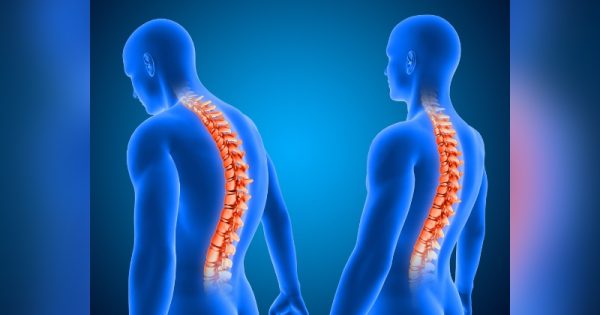
When dealing with spine pain red flags, time is your most valuable asset. Traveling long distances for emergency care when you have progressive leg weakness or Cauda Equina Syndrome can result in permanent nerve death.
Fortunately, patients in Gujarat have access to top-tier medical infrastructure. Choosing the best spine surgeon in Vadodara ensures that you get rapid diagnostics and world-class surgical intervention right in your city.
Trust and Patient Care
Vadodara has emerged as a medical hub in Gujarat, offering cutting-edge technology such as high-resolution 3T MRI machines, minimally invasive surgical suites, and advanced neuro-monitoring. Local hospitals are uniquely equipped to handle spinal emergencies 24/7.
When you choose a local expert, you also benefit from easier follow-up appointments, localized physical therapy, and a support system that doesn’t require exhausting travel during your recovery phase.
Diagnostic Steps: What Happens at the Clinic?
If you present to a clinic with any of the red flags mentioned above, the medical team will fast-track your diagnosis. Here is what you can expect:
-
Thorough Neurological Exam: The doctor will test your reflexes, muscle strength in your legs, and sensitivity to touch and pinpricks.
-
Immediate Imaging (MRI): Magnetic Resonance Imaging (MRI) is the gold standard for spine emergencies. It provides a clear picture of the spinal cord, nerve roots, discs, and any potential tumors or infections.
-
Blood Tests: If an infection is suspected (due to fever), blood tests like CRP (C-Reactive Protein), ESR (Erythrocyte Sedimentation Rate), and a complete blood count (CBC) will be ordered.
-
CT Scans: If you suffered trauma, a CT scan is excellent for identifying bone fractures and spinal instability.
Advanced Spine Treatment in Vadodara
Once the cause of your red flag symptom is identified, swift action is taken. The landscape of spine treatment in Vadodara has evolved drastically, moving away from massive open surgeries to highly precise, minimally invasive techniques.
Emergency Surgical Decompression
For conditions like Cauda Equina Syndrome or rapidly progressing weakness, emergency decompression surgery is required. Procedures like a microdiscectomy or a laminectomy are performed to remove the herniated disc material or bone fragments that are crushing the spinal nerves.
Infection Management
If an abscess or bone infection is found, treatment may involve a combination of surgical drainage to remove the infected tissue and a long course (often 6 to 8 weeks) of targeted intravenous antibiotics.
Spinal Stabilization for Fractures
For traumatic injuries or osteoporotic compression fractures, surgeons may use minimally invasive procedures like Kyphoplasty or Vertebroplasty. This involves injecting medical-grade bone cement into the fractured vertebra to stabilize it and provide immediate pain relief.
Cancer and Tumor Management
If a tumor is the cause of the pain, the spine surgeon will work in tandem with a neuro-oncologist. Treatment may involve surgical excision of the tumor, spinal fusion to maintain stability, followed by targeted radiation therapy.
The Benefits of Timely Intervention and Recovery
Ignoring spine pain red flags out of fear or denial is the worst decision a patient can make. Seeking immediate help offers incredible benefits:
-
Prevention of Paralysis: Decompressing a trapped nerve within the first 24 hours drastically reduces the risk of permanent leg weakness or wheelchair dependency.
-
Restoration of Bladder/Bowel Function: Early surgery for Cauda Equina Syndrome is highly successful at restoring normal organ function.
-
Faster Overall Recovery: Treating an issue before it causes extensive nerve damage means your post-treatment physical therapy will be easier and shorter.
-
Peace of Mind: Knowing definitively what is causing your severe pain removes the anxiety of the unknown, allowing you to focus purely on healing.
Recovery times vary wildly depending on the condition. A simple microdiscectomy might have you walking the same day and back to light desk work in two weeks. Complex tumor excisions or multi-level fusions will require a more comprehensive rehabilitation program.
Frequently Asked Questions (FAQs)
1. When should I see a spine specialist in Vadodara?
You should consult a specialist immediately if your back pain is accompanied by loss of bowel/bladder control, progressive leg weakness, fever, unexplained weight loss, or if the pain is the result of a severe high-impact trauma. For standard back ache that doesn’t improve after 2-3 weeks, a routine consultation is recommended.
2. Is all radiating leg pain a spine pain red flag?
No. Standard sciatica (pain that shoots down one leg) is common and usually not an emergency if it is just pain. However, if that radiating pain is accompanied by severe weakness (your leg gives out), numbness in the groin area, or loss of bladder control, it immediately becomes a red flag.
3. How do I know if I need emergency spine surgery?
You cannot diagnose this yourself. Only a qualified spine surgeon equipped with an MRI can determine if emergency surgery is needed. Conditions like Cauda Equina Syndrome or severe spinal fractures almost always require urgent surgical intervention.
4. What is the average cost of emergency spine treatment in Vadodara?
The cost varies significantly based on the diagnosis. A minimally invasive microdiscectomy will cost differently than a complex spinal fusion or tumor removal. However, hospitals in Vadodara offer highly competitive pricing compared to metro cities like Mumbai or Delhi, without compromising on world-class medical technology.
5. Can physical therapy cure these red flag conditions?
No. Red flag conditions (infections, tumors, major fractures, severe cord compression) require aggressive medical or surgical intervention first. Physical therapy is a vital part of the post-treatment recovery phase, but it cannot cure a dying nerve or a spinal tumor.
Conclusion
Your spine is the central pillar of your body and the main highway for your nervous system. While regular backaches are a normal part of human life, spine pain red flags are your body’s desperate cry for help.
Symptoms like sudden loss of bowel or bladder control, progressive leg weakness, fevers, and night pain are not things you can simply “sleep off” or treat with a hot water bottle. They represent urgent medical crises that demand immediate attention.
Living in Gujarat gives you a distinct advantage. By recognizing these signs early and reaching out to the best spine surgeon in Vadodara, you can secure an accurate diagnosis, undergo advanced, minimally invasive treatment, and protect your mobility and quality of life for the long term.
Take Action Today
Are you or a loved one experiencing any of these terrifying spine pain red flags? Don’t wait to see if it gets better tomorrow. Time is of the essence when it comes to spinal nerve health.
Contact our clinic today to schedule an emergency consultation with the top spine specialist in Vadodara. Protect your spine, preserve your mobility, and take the first step toward a pain-free, healthy life. Call us now or book your priority appointment online.
