
Look around any café in Alkapuri, university campus along Sayajigunj, or corporate office along Old Padra Road, and you will see an identical silhouette: shoulders rounded, head pitched downward, and eyes glued to a handheld screen. Mobile technology connects us effortlessly, but it is exacting an unprecedented toll on our physical health.
The clinical relationship between neck pain and smartphones has transformed from an occasional ergonomic nuisance into an escalating public health crisis. Medical practitioners now classify this phenomenon as “text neck syndrome”—a repetitive stress injury triggered by prolonged forward head flexion while operating mobile devices.
Your head weighs roughly 4.5 to 5.5 kilograms in a neutral, upright posture. As you tilt your head forward to browse social media, read emails, or watch videos, gravitational forces multiply that load exponentially. At a common 60-degree tilt, your cervical spine bears an astounding 27 kilograms of continuous strain.
Left unaddressed, this repetitive overload triggers chronic cervical muscle spasms, accelerates intervertebral disc degeneration, and leads to persistent postural deformities. Fortunately, with early identification, proactive ergonomic habits, and timely clinical intervention from a dedicated spine specialist in Vadodara, long-term spinal damage can be arrested and reversed.
Table of Contents
-
The Modern Text Neck Epidemic: Understanding the Hidden Connection
-
The Biomechanics of Forward Tilt: What Smartphones Do to Your Neck
-
7 Warning Signs That Neck Pain and Smartphones Are Damaging Your Spine
-
Text Neck vs. Muscular Fatigue: A Comparative Clinical Look
-
Daily Lifestyle Triggers Across Vadodara’s Digital Workforce
-
Practical Ergonomic Strategies and Daily Corrective Habits
-
Advanced Non-Surgical and Clinical Spine Treatment in Vadodara
-
When to Consult the Best Spine Surgeon in Vadodara
-
Long-Term Health Benefits of Timely Spinal Rehabilitation
-
Frequently Asked Questions (FAQs)
-
Conclusion and Next Steps
The Modern Text Neck Epidemic: Understanding the Hidden Connection
Text neck syndrome is no longer isolated to older demographics or manual laborers. It has become a hallmark complaint among adolescents, college scholars at MSU, IT engineers, and corporate executives across Gujarat.
When you spend four to six hours every day peering downward at your smartphone, the structural integrity of your cervical spine is systematically compromised. The human cervical spine possesses a natural, graceful C-shaped curve known as cervical lordosis. This curve acts like a shock-absorbing spring, buffering daily physical impacts.
Chronic downward gazing flattens this essential curve. Over months and years, the surrounding posterior neck muscles, levator scapulae, and upper trapezius remain locked in an exhausted, overstretched contraction. Simultaneously, the anterior chest muscles shorten and tighten.
This muscular mismatch destabilizes the kinetic chain of your upper body. What begins as dull muscular tightness gradually evolves into structural misalignment, joint facet irritation, and premature wear on delicate spinal cartilage.
The Biomechanics of Forward Tilt: What Smartphones Do to Your Neck
Understanding why neck pain and smartphones are so fundamentally connected requires a quick look at cervical biomechanics. Your neck is an architectural marvel designed for balanced mobility, not perpetual static flexion.
Consider how the gravitational burden changes with every degree of downward screen viewing:
-
0 Degrees (Neutral Spine): 4.5 to 5.5 kg of gravitational force. Muscles and ligaments remain relaxed.
-
15 Degrees Tilt: Forces climb to approximately 12 kg.
-
30 Degrees Tilt: The cervical load increases to 18 kg.
-
45 Degrees Tilt: Strain surges to 22 kg on posterior supportive structures.
-
60 Degrees Tilt: The spine sustains an immense 27 kg of pressure—equivalent to carrying an eight-year-old child around your neck for hours.
| Head Tilt Angle | Effective Load on Cervical Spine |
|---|---|
| 0° (Neutral) | ~5 kg (Normal head weight) |
| 15° Tilt | ~12 kg |
| 30° Tilt | ~18 kg |
| 45° Tilt | ~22 kg |
| 60° Tilt | ~27 kg (Extreme structural stress) |
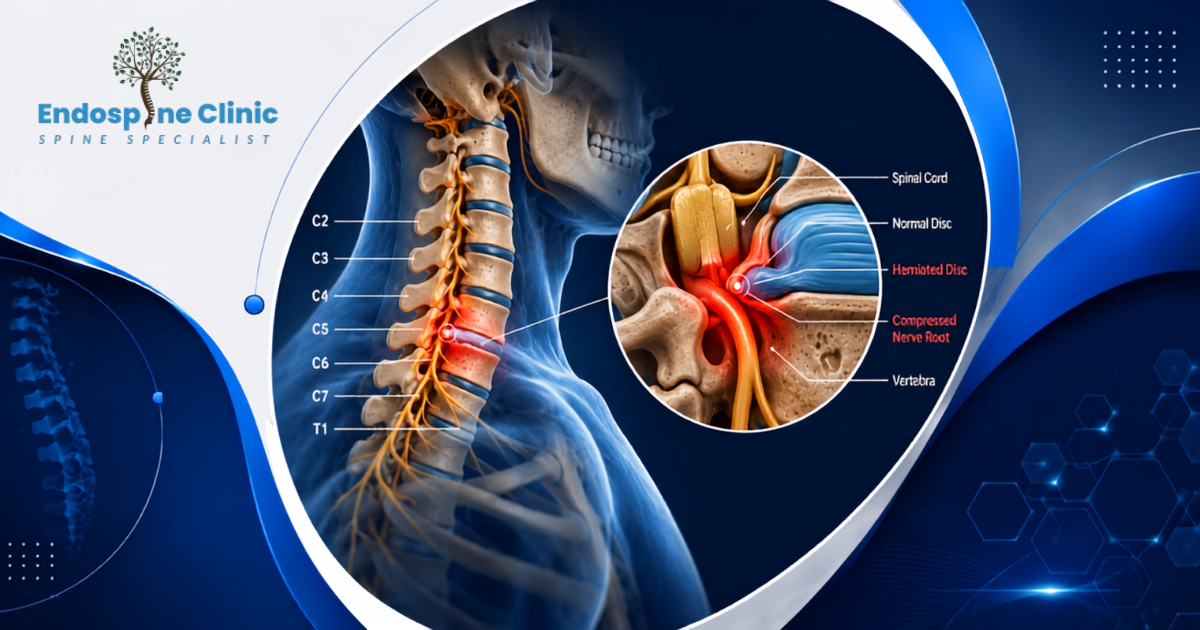
When high mechanical stress is applied persistently, the body attempts to protect itself. It deposits calcium along ligamentous attachments, leading to bone spurs (osteophytes), compressed nerve roots, and dehydrated spinal discs.
7 Warning Signs That Neck Pain and Smartphones Are Damaging Your Spine

Man has huge pain of neck
Many mobile device users dismiss early symptoms as temporary stiff neck episodes. However, identifying progressive markers early prevents permanent neurological or structural impairment.
1. Persistent Upper Back and Neck Dull Aches
A nagging, localized ache centered at the base of the skull or between the shoulder blades that worsens toward the end of your workday.
2. Sharp, Stabbing Cervical Spasms
Sudden, acute muscle contractions that make turning your head left or right noticeably painful and restricted.
3. Chronic Cervicogenic Headaches
Tension originating from tight suboccipital muscles at the back of the head that radiates over the scalp toward the temples and behind the eyes.
4. Postural Creep (Forward Head Carriage)
Looking into a mirror and noticing that your ears sit well forward of your shoulders, accompanied by rounded, slumping shoulders.
5. Radiculopathy (Nerve Irritation)
Tingling sensations, numbness, or electrical pins-and-needles radiating through your shoulder, down the arm, and into your fingers.
6. Weakened Grip Strength and Hand Clumsiness
Difficulty holding everyday items, buttoning shirts, or typing due to compressed motor nerve roots in the lower cervical vertebrae.
7. Jaw Soreness and Temporal Discomfort
Forward head posture alters the mechanics of your temporomandibular joint (TMJ), creating unexplained jaw tension, clicking, or facial fatigue.
Text Neck vs. Muscular Fatigue: A Comparative Clinical Look
It is crucial to distinguish between simple, short-term muscular fatigue and chronic text neck syndrome. The following clinical comparison outlines the distinctions:
-
Primary Cause
-
Simple Fatigue: A single day of excessive computer typing, odd sleeping postures, or sudden unconditioned yard work.
-
Text Neck Syndrome: Months or years of repetitive, static downward smartphone and tablet viewing habits.
-
-
Symptom Duration
-
Simple Fatigue: Transient; usually subsides completely within 48 to 72 hours of rest.
-
Text Neck Syndrome: Persistent or progressive; recurs daily and worsens during or immediately following screen sessions.
-
-
Structural Integrity
-
Simple Fatigue: Cervical lordosis remains fully preserved; no disc or facet joint degradation.
-
Text Neck Syndrome: Loss or reversal of cervical lordosis, disc dehydration, facet arthritis, and early spur formation.
-
-
Neurological Involvement
-
Simple Fatigue: Strictly muscular; zero radiating numbness, tingling, or motor weakness.
-
Text Neck Syndrome: Potential radicular pain, nerve entrapment, paresthesia in hands, and reduced tendon reflexes.
-
-
Response to Basic Rest
-
Simple Fatigue: Resolves quickly with heat application, gentle stretching, and adequate sleep.
-
Text Neck Syndrome: Requires targeted physical rehabilitation, ergonomic correction, and medical guidance from a spine specialist in Vadodara.
-
Daily Lifestyle Triggers Across Vadodara’s Digital Workforce
Vadodara has rapidly expanded into a dynamic commercial, educational, and manufacturing center. With this growth has come a drastic shift toward screen-centric lifestyles across all age groups:
-
Corporate Professionals in Gotri and Akota: Long hours spent toggling between dual monitors and mobile messaging without ergonomic desks create severe postural strain.
-
University Students in Sayajigunj and Fatehgunj: Hours of bent-neck PDF reading, late-night smartphone browsing, and heavy backpack carrying combine to strain developing spines.
-
Industrial Supervisors across Makarpura GIDC: Frequently inputting logistics data and inspecting machinery while glancing down at handheld terminals causes repetitive strain.
-
Recreational Commuters and Home Users: Looking down at screens during commutes or scrolling through social apps while slouched on soft sofas places the cervical spine at maximum 60-degree flexion.
Acknowledging your specific digital habits is the first and most critical step in breaking the cycle of repetitive spinal strain.
Practical Ergonomic Strategies and Daily Corrective Habits
Managing neck pain and smartphones does not require abandoning digital technology altogether. Instead, adopting precise postural hygiene and simple daily interventions protects your cervical spine.
1. Elevate Devices to Eye Level
Never drop your chin to your chest. Bring your smartphone up to your natural eye line by lifting your arms and resting your elbows against your ribcage or desk.
2. Follow the 20-20-20 Posture Rule
Every 20 minutes, take your eyes off the screen for 20 seconds, look at an object 20 feet away, and actively retract your neck into neutral alignment.
3. Practice Active Chin Tucks
Sit upright, look straight ahead, and gently glide your chin straight backward as if making a subtle double chin. Hold for 5 seconds and repeat 10 times to recondition deep cervical flexors.
4. Implement Scapular Retractions
Pull your shoulder blades backward and downward as if pinching a pencil between them. Hold for 5 seconds to release tension across the pectorals and upper trapezius.
5. Utilize Voice-to-Text and Desktop Alternatives
Dictate lengthy responses instead of typing out extended paragraphs on your phone screen. Whenever possible, transition lengthy tasks to desktop monitors positioned at eye level.
Advanced Non-Surgical and Clinical Spine Treatment in Vadodara
When conservative lifestyle modifications fail to alleviate chronic cervical discomfort, seeking professional medical evaluation becomes necessary. Modern spine treatment in Vadodara emphasizes structured, non-operative recovery pathways tailored to each patient’s specific presentation.
Precision Physical Therapy and Postural Re-Education
Dedicated cervical rehabilitation programs focus on releasing hypertonic neck extensors while strengthening the deep cervical flexor muscles, rhomboids, and lower trapezius. Specialized physical therapists utilize manual myofascial release, dry needling, and posture retraining to restore natural spine alignment.
Targeted Pharmacotherapy
Under medical supervision, short courses of non-steroidal anti-inflammatory drugs (NSAIDs), muscle relaxants, and neurotrophic vitamins help manage severe flare-ups, reduce tissue inflammation, and break pain cycles.
Cervical Traction and Decompression
Mechanical cervical traction creates negative pressure between compressed vertebrae. This process relieves pressure on crowded nerve roots, encourages rehydration of spinal discs, and expands narrowed intervertebral foramina.
Image-Guided Interventional Injections
For patients experiencing sharp cervical facet pain or intense nerve irritation, clinicians may administer ultrasound or fluoroscopy-guided facet blocks or transforaminal epidural injections. These provide rapid, localized anti-inflammatory relief to enable active participation in physical therapy.
When to Consult the Best Spine Surgeon in Vadodara
The vast majority of text neck presentations resolve without invasive intervention. However, certain structural and neurological symptoms indicate deeper nerve compromise that requires specialized surgical evaluation.
You should promptly seek a consultation with the best spine surgeon in Vadodara if you encounter any of the following clinical warning flags:
-
Persistent, progressive weakness in your grip or an inability to coordinate fine finger movements.
-
Unexplained numbness or electric shocks shooting down both arms simultaneously.
-
Loss of balance, unsteady gait, or feeling uncoordinated while walking (indicators of cervical myelopathy).
-
Constant, unremitting nighttime neck pain that remains unaffected by positional changes or rest.
-
Severe neck stiffness accompanied by unexplained high fever or sudden significant weight loss.
Vadodara has established itself as an advanced medical hub for Central Gujarat, featuring state-of-the-art diagnostic imaging, high-resolution 3T MRI facilities, and experienced orthopedic and neuro-spine specialists. Patients throughout Anand, Bharuch, and Godhra travel to Vadodara for trusted clinical opinions and minimally invasive spine care.
Long-Term Health Benefits of Timely Spinal Rehabilitation
Intervening early against posture-induced cervical strain yields benefits extending far beyond temporary relief from neck soreness:
-
Preservation of Natural Cervical Alignment: Preventing structural curve reversal eliminates the primary trigger for premature disc herniations.
-
Elimination of Tension-Induced Headaches: Relieving occipital nerve compression leads to fewer workdays disrupted by cervicogenic headaches.
-
Enhanced Respiratory Efficiency: Rounded shoulders and forward head tilt compress the ribcage and restrict diaphragm expansion. Restoring upright posture noticeably improves lung capacity.
-
Sustained Occupational Productivity: Eliminating chronic neck and shoulder fatigue enhances focus, mental stamina, and daily comfort in screen-heavy work environments.
-
Prevention of Secondary Degenerative Conditions: Maintaining balanced spinal biomechanics protects lower back discs, facet joints, and the kinetic chain of the body.
Frequently Asked Questions (FAQs)
Q1. How many hours on a smartphone can cause text neck?
Spending as little as two to three hours daily in poor, downward-tilted neck posture can trigger noticeable muscle fatigue and inflammation over time. Over months, this continuous habit leads to chronic text neck syndrome.
Q2. Can text neck be completely reversed?
Yes. When addressed in its early to moderate stages, text neck can be completely corrected through posture modification, ergonomic adjustments, targeted physical therapy, and daily strengthening exercises under the direction of an experienced clinician.
Q3. When should I see a spine specialist in Vadodara for smartphone-related neck pain?
You should schedule an evaluation if your neck pain persists for longer than two weeks despite resting, wakes you during sleep, causes recurring headaches, or produces tingling, numbness, or weakness in your arms or fingers.
Q4. Does text neck cause permanent damage if left untreated?
Left unaddressed for years, severe text neck can accelerate premature cervical disc degeneration, lead to chronic cervical spondylosis, encourage bone spur formation, and cause permanent nerve impingement requiring surgical management.
Q5. What pillow is best for recovering from text neck?
An orthopedic contoured cervical pillow made of high-density memory foam or natural latex provides optimal support. It supports the natural lordotic curve of your neck while keeping your head and spine neutral, whether sleeping on your back or side.
Conclusion and Next Steps
Smartphones and digital displays are an indispensable part of modern living, but chronic, debilitating neck pain does not have to be an inevitable consequence. The widespread prevalence of neck pain and smartphones is a direct reflection of habits that can be modified, corrected, and healed.
By lifting your device higher, taking consistent hourly micro-breaks, practicing targeted spinal stretches, and listening to your body’s early warning signals, you can safeguard your cervical spine for decades to come.
If you are already experiencing recurring stiffness, persistent upper back burning, or tingling down your arms, do not wait for minor discomfort to escalate into irreversible spinal damage. Consult a qualified spine specialist in Vadodara today to obtain an accurate diagnostic assessment and receive a tailored rehabilitation plan designed to restore your posture, comfort, and vitality.
