
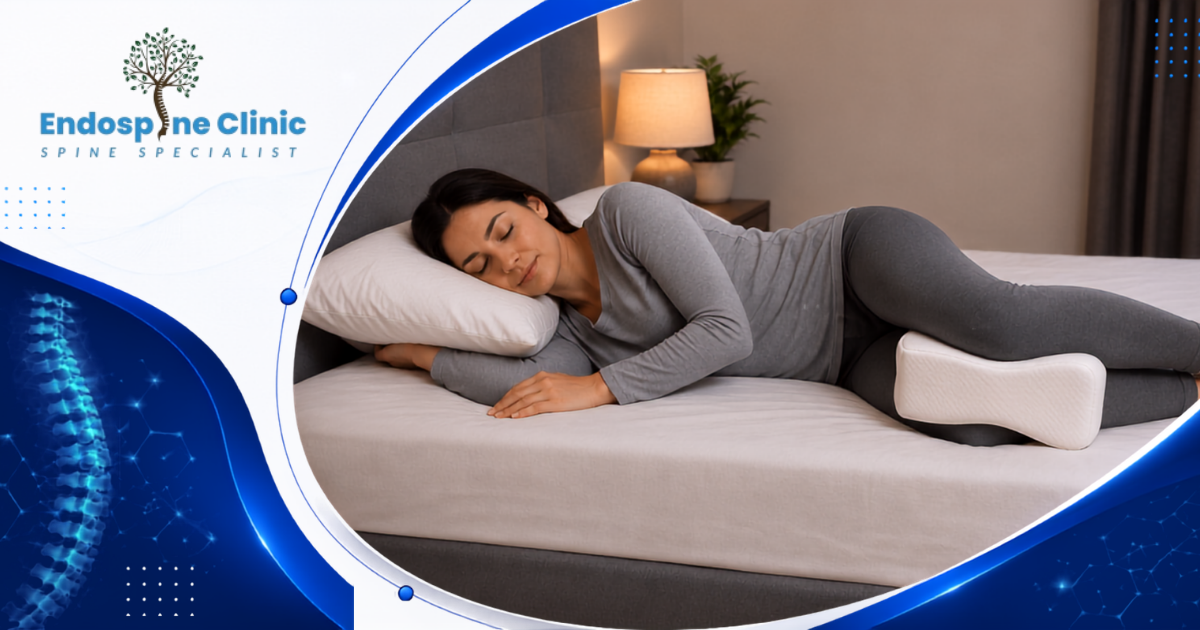
For generations, back problems like slip discs were associated with aging. Today, that narrative is shifting rapidly. Spine specialists across Gujarat, and particularly here in Vadodara, are seeing a concerning rise in Early Signs of Slip Disc in Young Adults. For many dynamic young people in their 20s and 30s, chronic back discomfort is becoming an unexpected and painful standard.
A “slip disc,” medically known as a herniated or prolapsed disc, occurs when the soft inner gel of a spinal disc pushes out through a tear in the outer layer. This displacement can irritate nearby nerves, leading to pain, numbness, or weakness in an arm or leg. While often manageable, the problem can escalate if left undressed. Recognizing the Early Signs of Slip Disc in Young Adults is crucial for early intervention and avoiding chronic issues or the need for complex surgery down
Table of Contents
- The New Vulnerability: Young Adults in Vadodara and Slip Disc
- Top 5 Early Warning Signs You Must Not Ignore
- Differentiating Muscle Strain vs. Slip Disc: A Guide
- Root Causes: Understanding Why It Happens at a Young Age
- Why Seeking Help Early in Vadodara Matters
- When to Seek Urgent Medical Attention: The Red Flags
- FAQs (minimum of 4)
- Conclusion
- Consult the Best Spine Specialist in Vadodara
The New Vulnerability: Young Adults in Vadodara and Slip Disc
The rise in slip disc cases among young adults isn’t accidental; it’s directly linked to modern lifestyle changes. Vadodara, a city growing with IT parks, educational institutions, and industrial hubs, has a large population of young professionals. The city’s growth, while positive, has brought new lifestyle challenges that affect spinal health.
Sedentary Desk Jobs Many young adults spend hours at computers. Poor ergonomic setups, coupled with prolonged sitting, put significant and constant pressure on the lower back discs. The “work-from-home” culture further blurred boundaries, often worsening posture.
Improper Lifting and Gym Injuries A strong fitness culture exists in Vadodara, with new gyms and fitness centers appearing frequently. However, lifting weights without proper form or adequate supervision can put sudden, extreme stress on the spine, leading to acute disc injuries.
Long Commutes and Traffic Navigating traffic on two-wheelers or four-wheelers during long daily commutes can cause micro-trauma to the spine due to constant vibrations and repetitive jolts from uneven roads.
Obesity and Poor Nutrition A sedentary lifestyle often links to poor dietary choices, leading to weight gain. Excess body weight places constant strain on the spinal column. At the same time, poor nutrition can weaken the disc structure, making it more prone to tearing.
Top 5 Early Warning Signs You Must Not Ignore
The human body is remarkably good at sending early warnings. If you’re a young adult experiencing any of these issues, don’t dismiss them. It’s important to watch for these initial symptoms of Early Signs of Slip Disc in Young Adults before they become debilitating.
-
Localized Back Pain or Neck Pain The most common early sign is localized pain in the lower back or neck. This isn’t a fleeting ache; it’s a deeper, more persistent discomfort that might get worse after sitting for long periods, bending, or lifting objects. It can be a dull ache or occasional sharp twinges.
-
Sciatica (Shooting Pain Down a Leg or Arm) This is a defining symptom of nerve compression from a slip disc. You might feel a searing or electric-current-like pain that starts in the lower back or buttocks and shoots down one leg. For a neck slip disc, this shooting pain will travel down one arm.
-
Numbness or Tingling (“Pins and Needles”) Nerve pressure can cause sensory disturbances. You might notice areas of numbness, tingling, or a persistent “pins and needles” sensation in your buttock, thigh, foot, or hand. This is a clear indicator of nerve root involvement.
-
Muscle Weakness In advanced or acute cases, the nerve supplying a muscle group can be significantly compromised, leading to muscle weakness. In the leg, this could cause difficulty with toe-walking, heel-walking, or a persistent foot drop. In the hand, it could mean a weak grip or trouble holding objects.
-
Pain Worsening with Specific Posture and Movement Unlike a muscular strain, slip disc pain is highly postural. It often intensifies when you sit, bend, twist, cough, or sneeze. Conversely, you might find some relief while lying flat or standing. If changing posture significantly alters the pain level, it strongly points towards a structural spinal issue.
Differentiating Muscle Strain vs. Slip Disc: A Guide
It’s easy to confuse a serious slip disc with a simple, common back strain. Here is how you can tell them apart:
| Feature | Muscle Strain | Potential Slip Disc |
|---|---|---|
| Pain Description | Muscle ache, stiffness, sometimes sharp. | Deeper pain, electric shock-like, persistent. |
| Location | Localized to the muscle area. | Often localized, but can radiate down limbs (sciatica). |
| Nerve Symptoms | None (no numbness or tingling). | Common (numbness, tingling, weakness). |
| Worsening Factors | Specific movements of the affected muscle. | Sitting, bending, coughing, or sneezing. |
| Relieving Factors | Rest and heat/ice on the muscle. | Lying flat or specific supportive postures. |
| Duration | Improves with simple care in days to a week. | Persists or worsens; needs professional treatment. |
Root Causes: Understanding Why It Happens at a Young Age
While lifestyle plays a huge role, slip discs in young adults are often multi-factorial.
Degenerative Changes Even young spines undergo subtle changes. Repetitive micro-trauma from a sedentary life or improper lifting over several years can weaken the outer ring (annulus fibrosus) of the disc, preparing it for failure.
Traumatic Injury A sudden, high-impact injury, such as a sports collision, a car accident, or an accidental fall, can tear the disc annulus, allowing the center to herniate immediately.
Genetics Some individuals inherit a predisposition for weaker spinal discs. If you have a family history of back problems, you are at a slightly higher risk and need to be more vigilant.
Why Seeking Help Early in Vadodara Matters
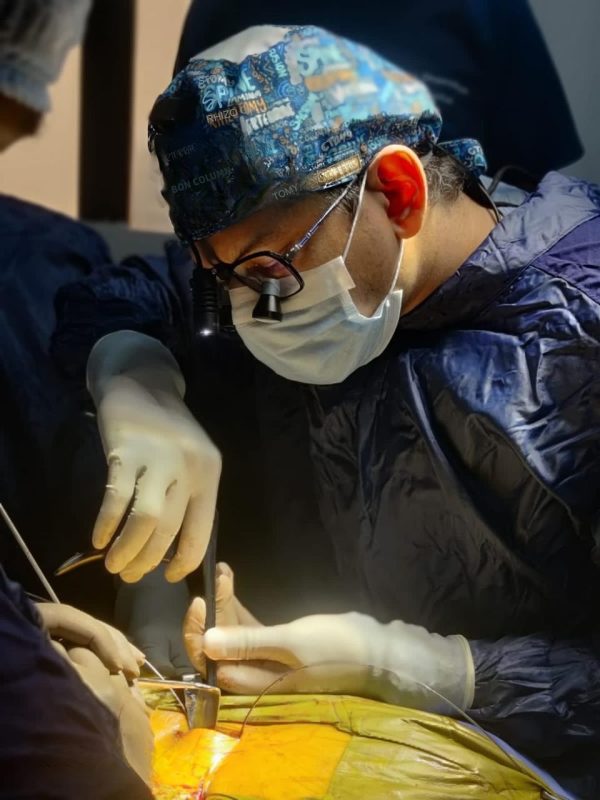
As a young adult, your first impulse might be to wait it out, hoping the pain will disappear. This can be a dangerous choice. Delaying a professional diagnosis for Early Signs of Slip Disc in Young Adults can lead to:
Chronic Pain Ignoring early symptoms can turn a manageable disc issue into a long-term, chronic pain condition that can significantly disrupt your career and personal life.
Nerve Damage Persistent pressure on a spinal nerve can lead to permanent damage, which can cause chronic numbness, chronic pain, or long-term muscle weakness.
Need for Extensive Surgery Early intervention often focuses on non-surgical treatments. If you wait until nerve compression is severe, a complex spinal surgery may be the only option left.
Poor Quality of Life Chronic back pain affects sleep, focus at work, social life, and overall mental well-being. Getting an early diagnosis helps you take control and avoid years of discomfort.
Patients in Vadodara can access world-class medical facilities and spine specialists in Vadodara without extensive travel. Choosing local care means quicker appointments, easier follow-ups, and a faster road to recovery.
When to Seek Urgent Medical Attention: The Red Flags
While many slip disc symptoms are manageable, certain “red flags” are medical emergencies. If you experience any of these symptoms along with back or neck pain, you must seek urgent medical attention, potentially at Endospine Clinic emergency department, in Vadodara:
Red Flags that require Immediate Medical Attention:
-
Sudden Worsening of Symptoms
-
Difficulty Controlling Bowel or Bladder Function (Cauda Equina Syndrome)
-
Numbness or Tingling in the Saddle Area (where a saddle would touch)
-
Weakness or Numbness that affects your ability to walk or grip objects
-
Pain that is severe enough to wake you from sleep
-
Pain associated with unexplained fever, which can indicate an infection
FAQs
Q. What is the difference between a slipped disc and a herniated disc? A. The terms are often used interchangeably. A herniated disc is the specific medical term. It describes when the inner, jelly-like center of the disc (nucleus pulposus) pushes out through a tear in the tough outer layer (annulus fibrosus). “Slipped disc” is a common, though less precise, term for the same condition, giving the impression the entire disc has physically slipped out of place, which isn’t anatomically correct.
Q. Can a slip disc heal on its own in young adults? A. The body has a strong capacity to heal. In many cases of mild-to-moderate slip discs, the herniated material can naturally recede or be reabsorbed by the body, reducing nerve pressure. Over 90% of cases are successfully managed without surgery. However, this healing takes time and requires proper rest, physical therapy, and lifestyle modifications to prevent re-injury. A specialist’s guidance is essential to facilitate this natural healing process and avoid complications.
Q. What is the single best exercise for a slip disc? A. There is no one “single best” exercise. The optimal exercises depend on the severity and direction of the herniation. Generally, physical therapy focuses on core strengthening (abs, glutes, back muscles) to support the spine, and specific stretches (like McKenzie extensions) that can help centralize the pain. Always work with a qualified physiotherapist before attempting new exercises.
Q. How do I know when I need surgery for a slip disc? A. Surgery is usually considered a last resort. Your spine surgeon might recommend surgery if: non-surgical treatments (medication, physiotherapy) have failed to provide relief after several weeks to months, the nerve compression is severe or causing progressive muscle weakness, the pain is debilitating and significantly affects your daily life, or you develop “red flag” emergency symptoms. Today, most surgeries are minimally invasive.
Conclusion
Your spine is the structural foundation of your entire body, and it deserves careful attention. While back pain can feel common, Early Signs of Slip Disc in Young Adults are warnings you cannot afford to ignore. Early diagnosis often leads to simple, non-surgical solutions that can quickly get you back on your feet and prevent long-term complications.
If you are a young adult in Vadodara experiencing persistent back or neck pain, especially with sciatica or numbness, do not wait. Early care can protect your future mobility and your career.
Take the first step towards a healthy, pain-free spine. Schedule a consultation with an expert spine specialist in Vadodara at Endospine Clinic today. We have a dedicated team of experts in spine care, advanced diagnostic facilities, and all treatment options, from professional physiotherapy to the latest minimally invasive procedures. Don’t let back pain hold you back—contact Endospine Clinic for expert care.
