
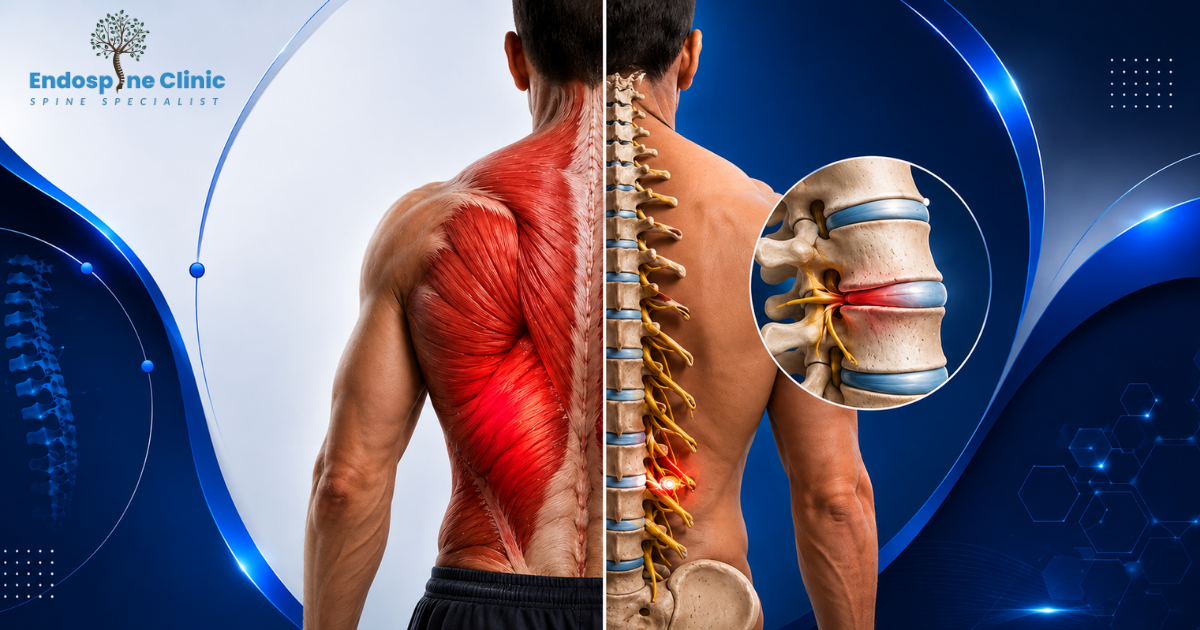
Until recently, severe spinal complaints were considered an age-related issue, typically affecting individuals past their fifties. Today, consulting rooms tell a dramatically different story.
Back pain in young adults has surged into a modern health crisis, affecting college students, corporate professionals, and young athletes alike. Long working hours, screen dependency, and sedentary routines are straining young spines like never before.
If you are in your twenties or thirties and dealing with persistent spinal stiffness or sharp lower back twinges, you are far from alone. Understanding the root lifestyle and technological factors behind this surge is the first step toward lasting spinal wellness.
Table of Contents
- The New Reality: Why Spinal Health Is Declining in Young Demographics
- 7 Leading Lifestyle & Tech Culprits Behind Back Pain in Young Adults
- Early Warning Signs: Muscle Fatigue vs. True Spinal Pathology
- Daily Ergonomic Adjustments to Protect Your Spine
- Modern Non-Surgical and Advanced Medical Solutions
- Why Vadodara Is Becoming a Hub for Modern Spine Care
- Long-Term Benefits of Early Intervention & Recovery Outlook
- Frequently Asked Questions (FAQs)
- Conclusion & Action Plan
The New Reality: Why Spinal Health Is Declining in Young Demographics
The human spine is an rchitectural marvel designed for movement, flexibility, and dynamic loading. It thrives on varied physical activity, regular stretching, and upright biomechanics.
Unfortunately, contemporary daily life requires the exact opposite. Modern academic and corporate lifestyles keep young individuals anchored to chairs for nine to twelve hours a day, staring down at digital displays.
This sustained, static loading causes micro-trauma to the intervertebral discs and supporting paraspinal musculature. Over time, healthy disc tissue loses hydration prematurely, leading to early degenerative disc changes, muscle spasms, and persistent postural strain.
In fast-growing tier-2 urban hubs like Vadodara, young engineers, IT executives, pharmaceutical professionals, and university scholars increasingly report chronic spinal fatigue. What begins as a minor evening ache frequently snowballs into debilitating pain if ignored.
7 Leading Lifestyle & Tech Culprits Behind Back Pain in Young Adults
Not all back discomfort signifies permanent damage. Differentiating transient muscular soreness from a progressive spinal condition helps you decide when to seek professional care.
| Symptoms | Muscle Strain (Temporary) | Nerve/Disc Pathology (Requires Clinical Evaluation) |
|---|---|---|
| Pain Character | Dull, aching, localized soreness | Sharp, electric, burning, or radiating sensations |
| Spread of Pain | Confined to lower or mid-back | Radiates down buttocks, thighs, calves, or toes |
| Numbness / Tingling | Absent | Frequently present in legs or feet |
| Aggravating Actions | Sudden movement after rest | Coughing, sneezing, sitting, or forward bending |
| Duration | Resolves within 5–7 days with rest | Persists beyond 2–3 weeks or steadily worsens |
If you experience “red flag” symptoms—such as progressive leg weakness, foot drop, or bowel and bladder dysfunction—consult an experienced spine specialist in Vadodara immediately to prevent irreversible nerve impingement.
Daily Ergonomic Adjustments to Protect Your Spine
Preventing chronic spinal damage requires small, systematic modifications to your everyday environment. Implementing the following ergonomic principles will protect your back throughout your career:
Set Up a Dynamic Workstation
-
Elevate Your Monitor: The top third of your computer screen should sit directly at eye level, approximately arm’s length away.
-
Support Your Lumbar Arch: Use a dedicated lumbar roll or an ergonomic chair that maintains the natural inward curve of your lower back.
-
Keep Feet Flat: Rest both feet completely flat on the floor with your knees bent at a 90-degree angle. Use a footrest if your chair height prevents full floor contact.
-
Forearm Support: Rest your elbows comfortably at 90 degrees on adjustable armrests to offload strain from the trapezius and upper back muscles.
Practice the 30-Minute Movement Rule
Static posture is the primary driver of spinal exhaustion. Set a recurring timer to change positions every 30 minutes:
-
Stand up, stretch your arms overhead, and perform gentle backward bends for 30 seconds.
-
Take a brief walk during phone conversations instead of remaining seated.
-
Incorporate gentle seated twists to restore blood flow to compressed spinal discs.
Core Strengthening Over Extreme Workouts
Your deep core muscles—including the transverse abdominis, multifidus, and pelvic floor—act as an internal muscular corset supporting the lumbar column. Incorporate spine-safe exercises into your weekly routine:
-
Bird-Dog Exercises: Strengthens cross-stabilizers without loading spinal discs.
-
Standard & Side Planks: Builds static core endurance essential for sitting posture.
-
Glute Bridges: Activates dormant hip extensors, relieving compensatory stress from the lower back.
-
Avoid Unsupervised Heavy Loading: Never compromise form for heavier weight plates in gym settings.
Modern Non-Surgical and Advanced Medical Solutions
 Experiencing persistent spinal pain does not mean you are destined for invasive surgery. Over 90% of young adults facing back issues recover completely through targeted, conservative interventions.
1. Evidence-Based Physical Therapy
Modern rehabilitation focuses on functional restoration. A structured program designed by an orthopedic physiotherapist stabilizes weak spinal segments, corrects muscular imbalances, and mobilizes stiff facet joints. Manual therapy, dry needling, and clinical Pilates have demonstrated remarkable efficacy in restoring functional movement patterns.
2. Targeted Medical Management
Short-term courses of non-steroidal anti-inflammatory drugs (NSAIDs), muscle relaxants, and neurotrophic vitamin supplements (such as methylcobalamin) calm acute inflammation around irritated spinal nerve roots, allowing active rehabilitation to proceed comfortably.
3. Interventional Pain Management
When conservative remedies fail to provide adequate relief, targeted interventional pain procedures offer an effective bridge:
-
Epidural Steroid Injections: Deliver concentrated anti-inflammatory medication directly around compressed nerve roots under fluoroscopic guidance.
-
Facet Joint Injections: Relieve localized inflammation within arthritic or strained spinal joints.
-
Radiofrequency Ablation: Deactivates pain-transmitting sensory nerves for patients suffering from chronic facet joint discomfort.
4. Minimally Invasive Spine Surgery (MISS)
In cases involving severe disc extrusion or progressive nerve deficits that resist conservative care, surgical intervention may be indicated.
Modern advances have replaced extensive open surgeries with minimally invasive spine procedures, such as microdiscectomy and fully endoscopic spine surgery. Performed through keyhole incisions no larger than a postage stamp, these procedures spare surrounding muscle tissue, minimize blood loss, and allow young patients to return home within 24 to 48 hours.
Why Vadodara Is Becoming a Hub for Modern Spine Care
Patients seeking reliable, world-class spine treatment in Vadodara benefit from an exceptional healthcare ecosystem that blends advanced clinical technology with personalized care.
Vadodara has rapidly transformed into a primary medical destination for central and south Gujarat, attracting patients from Bharuch, Ankleshwar, Anand, and Godhra. The city’s medical landscape offers several distinct advantages for young patients:
-
Concentrated Medical Hubs: Leading super-specialty hospitals and dedicated spine centers are conveniently situated across accessible localities such as Alkapuri, Gotri, Old Padra Road, Karelibaug, and Manjalpur.
-
Cutting-Edge Diagnostic Infrastructure: Young patients have immediate access to state-of-the-art high-field MRI scanners (3.0 Tesla), dynamic digital radiography, and comprehensive electrodiagnostic testing (EMG/NCV) for pinpoint accuracy.
-
Top-Tier Surgical Expertise: The city is home to some of the country’s finest orthopedic and neuro-spine specialists trained at prestigious national and international institutes. Consulting the best spine surgeon in Vadodara ensures access to advanced microscopic and endoscopic techniques.
-
Affordable, Transparent Treatment: Compared to metropolitan centers like Mumbai, Delhi, or Bengaluru, high-tier healthcare in Vadodara remains exceptionally cost-effective without compromising clinical standards or patient safety.
-
Seamless Accessibility: Vadodara’s well-connected rail, road, and airport networks make routine outpatient visits and post-treatment follow-ups stress-free for both local residents and regional commuters.
Long-Term Benefits of Early Intervention & Recovery Outlook
Delaying clinical evaluation for back discomfort often allows minor, easily treatable mechanical strains to progress into permanent structural vulnerabilities. Seeking timely consultation yields significant advantages:
-
Prevents Progressive Nerve Damage: Relieving nerve compression early prevents long-term sensory loss, chronic sciatica, and motor weakness.
-
Averts Premature Degeneration: Correcting spinal alignment early halts premature wear-and-tear on adjacent vertebral discs.
-
Minimizes Lost Work Productivity: Rapid, evidence-based pain management enables young professionals to resume their studies and careers without lengthy sick leaves.
-
Restores Active Lifestyles: Early physical therapy helps individuals return safely to running, gym workouts, weekend sports, and pain-free travel.
The overall prognosis for young patients dealing with back pain is overwhelmingly positive. With accurate diagnosis, structured core training, and minor postural adjustments, full recovery and return to peak physical capacity are standard outcomes.
Daily Ergonomic Adjustments to Protect Your Spine
Preventing chronic spinal damage requires small, systematic modifications to your everyday environment. Implementing the following ergonomic principles will protect your back throughout your career:
Set Up a Dynamic Workstation
-
Elevate Your Monitor: The top third of your computer screen should sit directly at eye level, approximately arm’s length away.
-
Support Your Lumbar Arch: Use a dedicated lumbar roll or an ergonomic chair that maintains the natural inward curve of your lower back.
-
Keep Feet Flat: Rest both feet completely flat on the floor with your knees bent at a 90-degree angle. Use a footrest if your chair height prevents full floor contact.
-
Forearm Support: Rest your elbows comfortably at 90 degrees on adjustable armrests to offload strain from the trapezius and upper back muscles.
Practice the 30-Minute Movement Rule
Static posture is the primary driver of spinal exhaustion. Set a recurring timer to change positions every 30 minutes:
-
Stand up, stretch your arms overhead, and perform gentle backward bends for 30 seconds.
-
Take a brief walk during phone conversations instead of remaining seated.
-
Incorporate gentle seated twists to restore blood flow to compressed spinal discs.
Core Strengthening Over Extreme Workouts
Your deep core muscles—including the transverse abdominis, multifidus, and pelvic floor—act as an internal muscular corset supporting the lumbar column. Incorporate spine-safe exercises into your weekly routine:
-
Bird-Dog Exercises: Strengthens cross-stabilizers without loading spinal discs.
-
Standard & Side Planks: Builds static core endurance essential for sitting posture.
-
Glute Bridges: Activates dormant hip extensors, relieving compensatory stress from the lower back.
-
Avoid Unsupervised Heavy Loading: Never compromise form for heavier weight plates in gym settings.
Frequently Asked Questions (FAQs)
1. At what point should a young adult see a spine specialist in Vadodara?
You should schedule a consultation if your back pain persists for more than two weeks despite rest, radiates into your legs or feet, or is accompanied by numbness, tingling, or weakness. Experiencing fever, unexpected weight loss, or difficulty controlling bladder or bowel movements warrants immediate emergency evaluation.
2. Can desk workers reverse back pain in young adults caused by prolonged sitting?
Yes. Chronic postural strain can be reversed through dedicated ergonomic adjustments, regular movement intervals, and a structured rehabilitation routine focusing on core stability, hip mobility, and spinal extensor strengthening.
3. Does consulting the best spine surgeon in Vadodara always mean I will need surgery?
No. Reputable spine surgeons prioritize non-operative treatments first. Over 90% of spine cases are resolved using conservative measures like specialized physical therapy, posture correction, and targeted medical therapies. Surgery is considered only when non-surgical options fail to relieve severe symptoms or when progressive neurological deficits emerge.
4. Are standing desks genuinely effective for preventing lower back pain?
Standing desks help break up extended periods of static sitting and decrease overall intradiscal pressure. However, standing continuously for long periods introduces its own set of circulatory and lower back stresses. The ideal strategy is alternating between sitting and standing every 30 to 45 minutes throughout the workday.
5. How does two-wheeler riding in Vadodara worsen spinal issues?
Riding two-wheelers over uneven city roads and speed breakers transfers vertical impact shocks straight into the lumbar spine. If your posture is already compromised by weak core muscles or desk slouching, these continuous micro-jolts can irritate spinal discs and trigger acute muscular spasms.
Conclusion & Action Plan
Spine pain should never be accepted as a normal consequence of working hard or studying long hours. Your spine is the central pillar of your physical freedom, mobility, and future productivity.
Addressing posture blunders, taking movement breaks, strengthening core muscles, and seeking prompt medical guidance can effectively stop spinal degeneration in its tracks.
If persistent back discomfort or radiating leg pain is disrupting your daily routine, do not wait for minor aches to turn into debilitating conditions. Book a comprehensive clinical evaluation with a qualified spine specialist in Vadodara today, and take the first decisive step toward living a pain-free, active life.
