
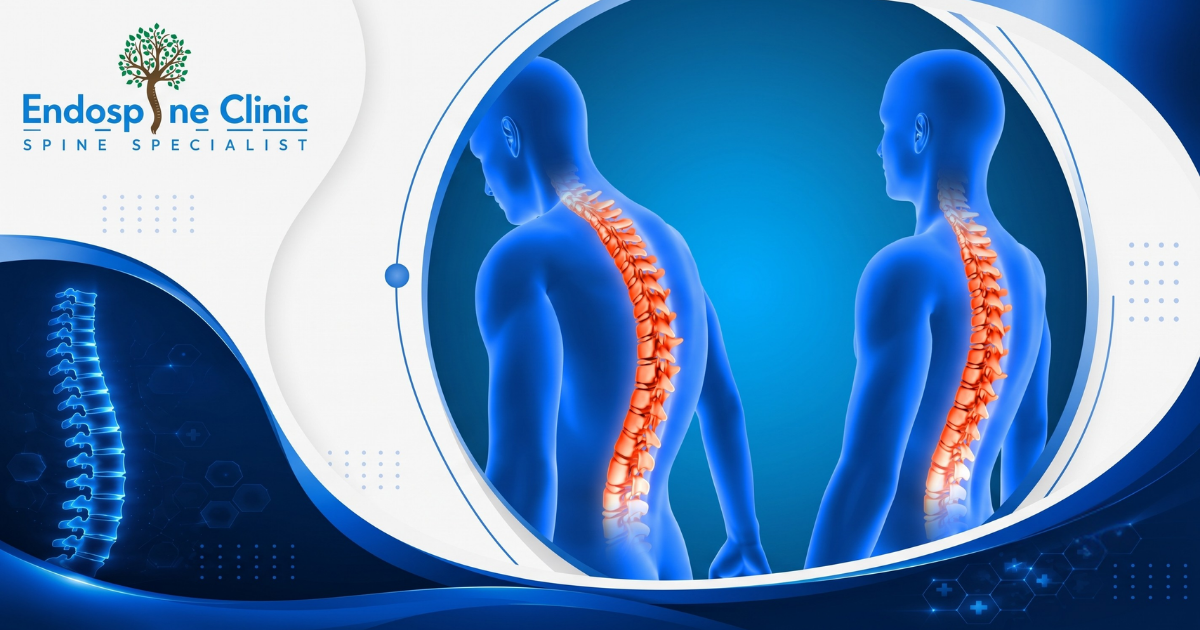
Spinal issues can drastically lower your quality of life, making even the simplest daily tasks feel impossible. For decades, traditional open spine surgery was the only reliable answer, often bringing long hospital stays and painful recoveries.
Thankfully, the medical landscape has completely changed. Today, the future of spine care: navigation + endoscopy is already here, offering patients a safer, faster, and much less painful path to a pain-free life.
If you are dealing with chronic back pain, herniated discs, or sciatica, you no longer have to fear the operating room. Advanced robotic navigation combined with minimally invasive endoscopy has revolutionized how surgeons operate.
In this comprehensive guide, we will break down exactly how this modern technology works. We will also explore why finding a top-rated spine specialist in Vadodara can make all the difference in your recovery journey.
Table of Contents
-
What is the Future of Spine Care: Navigation + Endoscopy?
-
Understanding the Core Technologies
-
When Do You Need Advanced Spine Treatment? (Key Symptoms)
-
How Navigation and Endoscopy Work Together
-
The Major Benefits of Minimally Invasive Spine Surgery
-
Frequently Asked Questions (FAQs)
-
Conclusion and Next Steps
What is the Future of Spine Care: Navigation + Endoscopy?
When we talk about the future of spine care: navigation + endoscopy, we are referring to the marriage of two highly advanced medical technologies.
In the past, spine surgeries required large incisions so the surgeon could clearly see the spinal cord, nerves, and surrounding muscles. This process inevitably caused tissue damage, leading to heavy bleeding and a prolonged healing process.
Today, medical innovation allows surgeons to treat complex spinal conditions through incisions smaller than a coin. By utilizing real-time 3D mapping (navigation) and a tiny high-definition camera (endoscope), doctors can perform delicate procedures with pinpoint accuracy.
This approach minimizes risks and maximizes results. For patients seeking advanced spine treatment in Vadodara, this dual-technology method is quickly becoming the gold standard of care.
To truly appreciate why this method is transforming healthcare, it helps to understand how both technologies function individually.
Understanding the Core Technologies
Think of spine navigation as a highly advanced GPS system for your back. Before and during the surgery, specialized imaging tools create a detailed 3D model of your spine.
This allows the surgeon to track their surgical instruments in real-time on a computer monitor. There is no guessing involved. Every movement is calculated down to the millimeter, ensuring that screws or implants are placed flawlessly without disturbing healthy nerves.
When Do You Need Advanced Spine Treatment? (Key Symptoms)
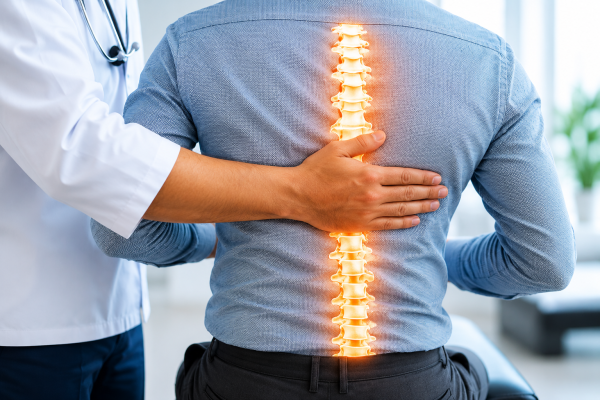
Endoscopy replaces the need for large, open incisions. A small tube equipped with a high-definition camera (an endoscope) is inserted through a tiny cut in the skin.
The camera projects a magnified view of the spine onto a screen. The surgeon then uses micro-instruments passed through this same small tube to remove damaged tissue, repair herniated discs, or relieve nerve pressure.
Because the muscles are gently pushed aside rather than cut, the trauma to your body is drastically reduced.
Not all back pain requires surgical intervention. In fact, most patients find relief through physical therapy, medications, or lifestyle changes.
However, if conservative treatments fail, you might be a candidate for endoscopic and navigated spine surgery. You should consult a spine specialist in Vadodara if you experience any of the following severe symptoms:
-
Chronic, Unrelenting Back Pain: Pain that persists for more than three to six months despite resting and taking prescribed medications.
-
Radiating Leg Pain (Sciatica): Sharp, shooting pain that travels from your lower back down through your buttocks and into your legs.
-
Numbness or Tingling: A constant “pins and needles” sensation in your arms, hands, legs, or feet, indicating a compressed nerve.
-
Muscle Weakness: Difficulty lifting objects, walking properly, or maintaining your balance due to weakened limbs.
-
Loss of Bowel or Bladder Control: This is a medical emergency known as Cauda Equina Syndrome. You must seek immediate emergency medical care.
What to Expect During Recovery
The recovery timeline for endoscopic spine surgery is incredibly fast. Most patients are walking within a few hours of the procedure.
Often, this is an outpatient surgery, meaning you can go home the very same day. While traditional surgery can take up to six months for a full recovery, endoscopic patients often return to light desk work within one to two weeks. Full physical activities can usually be resumed in about four to six weeks.
How Navigation and Endoscopy Work Together
According to the World Health Organization (WHO), low back pain is the single leading cause of disability worldwide. Ignoring these symptoms can lead to permanent nerve damage, making early diagnosis critical.
Combining navigation and endoscopy gives patients the best of both worlds. Here is a step-by-step look at how the best spine surgeon in Vadodara will typically handle this advanced procedure:
Step 1: Pre-Surgical Mapping
Before you even enter the operating room, your surgical team will take detailed MRI and CT scans of your spine. These images are fed into the navigation software, creating a perfect digital replica of your anatomy.
Step 2: Tiny Incision and Endoscope Insertion
Once you are under anesthesia, the surgeon makes a micro-incision (often less than half an inch). The endoscope is carefully guided into the targeted area using the real-time navigation system to avoid sensitive nerves.
Step 3: Precision Treatment
Looking at the high-definition monitor, the surgeon identifies the problem—such as a bulging disc pressing on a nerve. Using micro-instruments, they safely remove the pressure while the navigation system continuously confirms the exact location of every tool.
Step 4: Quick Closure
Once the spinal issue is resolved, the tools are removed. Because the incision is so small, it usually requires only a single stitch or a simple sterile bandage to close.
The future of spine care: navigation + endoscopy is not just about cool technology; it is about delivering life-changing benefits to the patient.
The Major Benefits of Minimally Invasive Spine Surgery
Here is why this approach is vastly superior to traditional open spine surgery:
-
Minimal Muscle Damage: Because muscles are dilated (pushed apart) rather than cut, you retain your natural core strength after surgery.
-
Significantly Less Pain: Smaller cuts mean less tissue trauma, which translates to a massive reduction in post-operative pain.
-
Lower Risk of Infection: The smaller the wound, the less chance bacteria have to enter the body.
-
No General Anesthesia (Sometimes): Certain endoscopic procedures can be performed under local anesthesia, eliminating the grogginess and risks associated with being fully put to sleep.
-
Minimal Scarring: You will be left with a scar so small it can often be covered by a standard adhesive bandage.
For patients seeking world-class spine treatment in Vadodara, these benefits mean you can return to your family and your job much faster than you ever thought possible.
One of the biggest concerns patients have when considering surgery is the financial impact and the downtime.
Frequently Asked Questions (FAQs)
1. Is endoscopic spine surgery safe?
Yes. In fact, because it utilizes a tiny incision and an HD camera, it is considered much safer than traditional open surgery. The risk of bleeding, infection, and nerve damage is significantly lower.
2. How do I know if I need the best spine surgeon in Vadodara?
If you have been suffering from chronic back or neck pain that radiates to your arms or legs, and physical therapy hasn’t helped, it is time to consult a specialist. They will determine if surgery is the right next step.
3. Will the future of spine care: navigation + endoscopy work for all back problems?
While this technology is incredibly versatile and treats conditions like herniated discs, spinal stenosis, and bone spurs, it may not be suitable for extreme spinal deformities or massive traumas. Your surgeon will evaluate your specific MRI to decide.
4. How long does the actual procedure take?
Most navigated endoscopic spine surgeries take between 45 minutes to 2 hours, depending on the complexity of the spinal issue. Because it is so efficient, patients usually go home the same day.
5. Is the spine treatment in Vadodara covered by medical insurance?
Yes, most major health insurance policies and corporate mediclaim plans cover minimally invasive spine surgeries. It is always best to check with your hospital’s billing department and your insurance provider beforehand.
Conclusion and Next Steps
Living with chronic back pain shouldn’t be your permanent reality. The future of spine care: navigation + endoscopy has completely transformed the way we treat spinal conditions, replacing fear and long recoveries with precision and rapid healing.
With pinpoint GPS-like navigation and tiny high-definition cameras, surgeons can safely relieve your pain while protecting your healthy muscles and nerves.
If you are located in or around Gujarat, you have access to some of the finest medical facilities available. Do not let spine issues hold you back from living an active, joyful life.
Ready to live pain-free? Take the first step toward a healthier spine today. Schedule a consultation with a top spine specialist in Vadodara to get a personalized, minimally invasive treatment plan tailored just for you. Contact our clinic now to book your appointment and reclaim your life!
