
Introduction
Hearing that your child has a spinal curve can feel overwhelming. Many parents in India face confusion about Scoliosis Treatment for Teenagers, especially when it comes to early detection, treatment choices, and long-term outcomes.
The good news? With timely care and the right guidance, most teenagers with scoliosis can lead healthy, active lives. This guide simplifies everything—from spotting early signs to understanding treatment options available across India.
Table of Contents
- What is Scoliosis in Teenagers?
- Early Signs Every Parent Should Know
- Causes & Risk Factors
- Symptoms & Warning Signs
- How Scoliosis is Diagnosed
- Treatment Options (Non-Surgical & Surgical)
- Bracing vs Surgery – What to Choose?
- Recovery & Long-Term Outlook
- Tips for Parents
- FAQs
- Conclusion & CTA
What is Scoliosis in Teenagers?
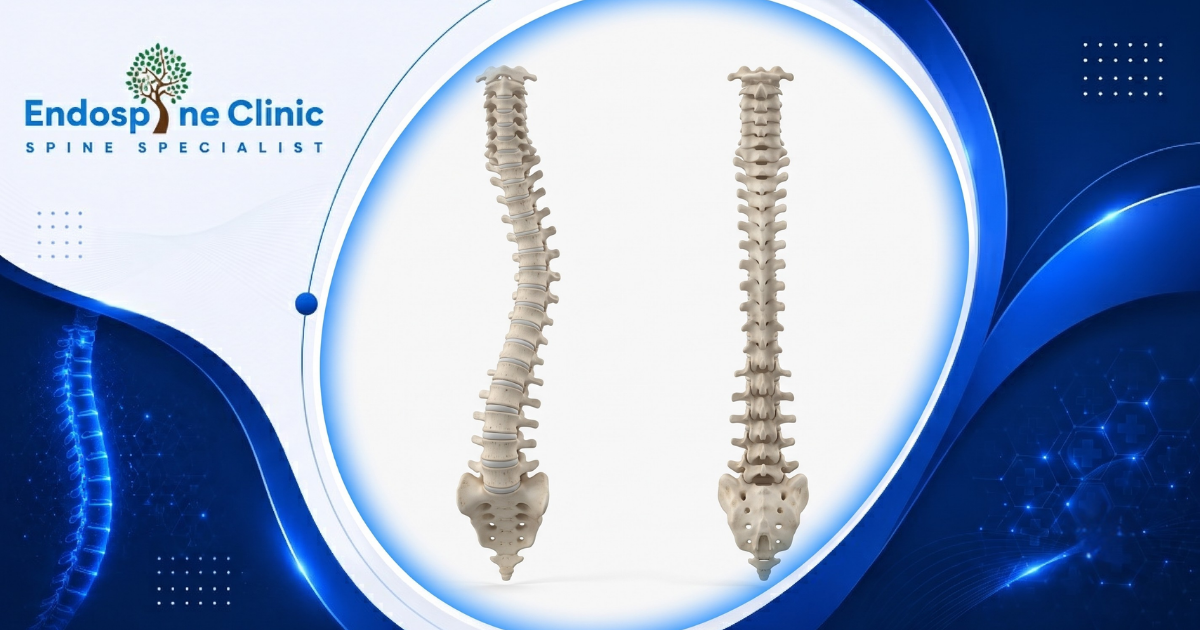
Scoliosis is a condition where the spine curves sideways instead of growing straight. It commonly appears during the growth spurt just before puberty.
In teenagers, this is often called adolescent idiopathic scoliosis, meaning the exact cause is unknown.
Key Facts:
- Affects children aged 10–18
- More common in girls than boys
- Can worsen quickly during growth
Early diagnosis plays a critical role in effective scoliosis treatment for teenagers.
Early Signs of Scoliosis Every Parent Should Know
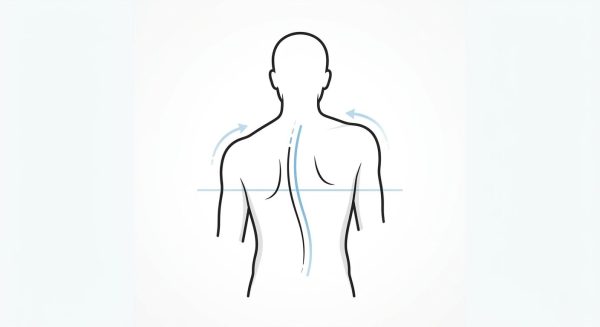
Many parents in India miss early symptoms because scoliosis often develops silently.
Watch for these subtle signs:
- Uneven shoulders
- One hip higher than the other
- Clothes not fitting properly
- Rib cage appearing more prominent on one side
- Leaning posture
👉 If you notice any of these, consult a spine specialist for scoliosis India immediately.
Causes & Risk Factors
While the exact cause is often unknown, several factors can increase risk:
Common Causes:
- Genetic predisposition
- Rapid growth during puberty
- Neuromuscular conditions (rare cases)
Risk Factors:
- Family history of scoliosis
- Female gender
- Age between 10–15 years
Symptoms & Warning Signs
Teenagers may not always complain of pain, which makes detection harder.
Common Symptoms:
- Back pain after long sitting
- Visible spine curvature
- Fatigue while standing
- Limited flexibility
In India, many cases are detected during school health check-ups or sports activities.
How Scoliosis is Diagnosed
Diagnosis involves a combination of physical exams and imaging.
Steps in Diagnosis:
- Physical Examination – Forward bend test
- X-Ray Scan – Measures curve severity (Cobb angle)
- MRI/CT Scan – In specific cases
Doctors classify scoliosis based on severity:
- Mild: <20°
- Moderate: 20–40°
- Severe: >40°
Early diagnosis leads to more effective teenage scoliosis treatment India.
Treatment Options for Scoliosis
Treatment depends on age, curve severity, and progression risk.
Non-Surgical Treatments
Most teenagers can avoid surgery if diagnosed early.
1. Observation
- Mild curves are monitored regularly
- Follow-ups every 4–6 months
2. Bracing
- Recommended for moderate curves
- Prevents worsening during growth
3. Physiotherapy & Exercises
- Strengthens back muscles
- Improves posture
4. Lifestyle Adjustments
- Ergonomic seating
- Avoid heavy school bags
Surgical Treatment
Surgery is considered when the curve is severe or progressing rapidly.
Common Surgical Options:
- Spinal fusion
- Rod insertion for correction
India has advanced spine care centers in cities like Ahmedabad, Mumbai, and Delhi offering safe surgical solutions.
Bracing vs Surgery – What Should You Choose?
| Factor | Bracing | Surgery |
|---|---|---|
| Best for | Moderate curves | Severe curves |
| Goal | Stop progression | Correct deformity |
| Age | Growing teens | Advanced cases |
| Recovery | Minimal downtime | Weeks to months |
👉 Most parents prefer bracing as a first step in curved spine treatment teenagers.
Recovery & Long-Term Outlook
With proper care, most teenagers recover well and lead normal lives.
What to Expect:
- Gradual improvement in posture
- Pain reduction
- Return to sports (in many cases)
Long-Term Outlook:
- Regular monitoring is essential
- Early treatment prevents complications
Tips for Parents to Support Teenagers
Supporting your child emotionally is just as important as medical care.
Practical Tips:
- Encourage open conversations
- Avoid panic or fear-based reactions
- Support brace compliance
- Promote physical activity
- Choose the right scoliosis doctor for teenagers
FAQs
1. Can scoliosis in teenagers be cured completely?
Mild cases can be managed effectively, while severe cases may require surgery for correction.
2. Is scoliosis treatment painful?
Most non-surgical treatments are painless. Surgery involves recovery but is manageable with modern care.
3. How long does scoliosis treatment take?
Treatment may continue until growth stops, usually 2–5 years.
4. What is the best scoliosis treatment for teenagers in India?
Early-stage scoliosis is best treated with bracing and physiotherapy under expert guidance.
Conclusion
Managing scoliosis doesn’t have to be stressful. With early diagnosis, proper guidance, and access to experienced specialists in India, your child can lead a confident and active life.
Understanding Scoliosis Treatment for Teenagers empowers parents to make informed decisions and act at the right time.
📞 Strong CTA
If you suspect scoliosis or need expert advice, don’t wait.
👉 Book a consultation with a trusted spine specialist for scoliosis India today and give your child the best chance at a healthy future.
