
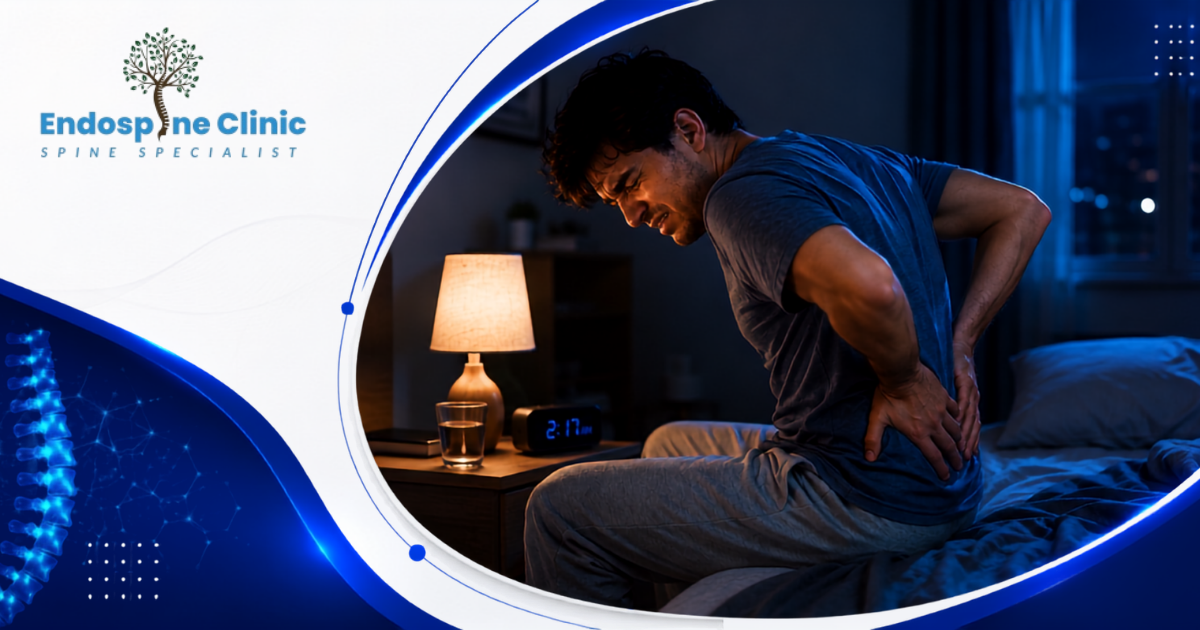
In today’s fast-paced world, chronic back and neck aches have become a modern epidemic. However, many people are completely unaware that their physical discomfort is deeply rooted in their emotional and mental well-being. The connection between stress and spine pain is a powerful, undeniable biological reality that affects millions every single day.
When you are constantly facing tight deadlines, navigating complex relationships, or dealing with the hustle of daily life, your body absorbs that tension. This invisible burden manifests physically, settling directly into the muscles supporting your spinal column. If you have been desperately searching for answers while tossing and turning at night, you are not alone.
Understanding the delicate mind-body link is the very first step toward achieving lasting, meaningful healing. This comprehensive guide will explore exactly how lifestyle stress dictates your posture, ruins your sleep, and amplifies your discomfort. More importantly, we will reveal actionable, holistic strategies to help you break this vicious cycle. Let us dive deep into the science of stress and uncover the path to a healthier, pain-free life.
Table of Contents
- The Silent Culprit: Understanding Stress and Spine Pain
- The Vicious Cycle: Sleep Deprivation and Muscle Tension
- Posture Under Pressure: How Anxiety Changes Your Stance
- Recognizing the Symptoms: Is It Physical or Stress-Related?
- Why Choose Vadodara for Advanced Spine Care?
- Holistic Solutions: Breaking the Chain of Pain
- The Remarkable Benefits of Comprehensive Recovery
- Frequently Asked Questions (FAQs)
- Conclusion: Reclaim Your Life
The Silent Culprit: Understanding Stress and Spine Pain
The Biology of the Mind-Body Link
To truly conquer your discomfort, you must first understand the physiological chain reaction that occurs when you experience anxiety. The human brain does not easily distinguish between a physical threat and a psychological stressor.
Whether you are running from danger or worrying about a massive project, your brain sounds the same alarm. This triggers the sympathetic nervous system, flooding your bloodstream with stress hormones. As a result, your breathing shallows, your heart races, and your muscles brace for impact.
When this “fight or flight” response remains constantly activated due to chronic daily anxiety, those paraspinal muscles never get the signal to relax. This persistent tension restricts healthy blood flow and oxygen delivery to the tissues surrounding your spine.
How Cortisol Wreaks Havoc on Your Back
Cortisol is often dubbed the primary stress hormone. In small bursts, it is highly beneficial and keeps you alert.
However, chronically elevated cortisol levels lead to systemic inflammation throughout the body. This inflammation aggressively targets the weakest or most overworked areas of your body, which, for most modern professionals, is the lower back and neck.
Furthermore, excessive cortisol directly interferes with your body’s natural ability to repair connective tissues. This means the minor micro-tears your muscles sustain during a regular day cannot heal properly, leading to escalating, chronic stress and spine pain.
The Vicious Cycle: Sleep Deprivation and Muscle Tension
Why Your Spine Needs Deep Sleep
Sleep is not a luxury; it is a fundamental biological requirement for spinal health. During the deepest stages of sleep, your body undergoes critical physical restoration.
Throughout the day, gravity continually compresses the intervertebral discs in your spine, squeezing out vital fluids. When you lie down at night, the pressure is finally lifted, allowing these discs to act like sponges and rehydrate.
If stress prevents you from achieving deep, restorative sleep, your discs remain compressed and dehydrated. Over time, this accelerates spinal degeneration, making your back feel stiff, rigid, and incredibly painful every morning.
Insomnia and Increased Pain Sensitivity
Anxiety and sleep deprivation create a devastating feedback loop that amplifies suffering. Stress makes it difficult to fall asleep, and the resulting pain wakes you up throughout the night.
Scientific studies consistently show that a lack of sleep actively lowers your pain threshold. When you are exhausted, your brain’s pain receptors become hyper-sensitive, meaning a mild ache feels significantly more intense.
Breaking this cycle requires a dual approach: calming the nervous system to invite sleep and addressing the muscular tension that keeps you awake.
Posture Under Pressure: How Anxiety Changes Your Stance
The “Fight or Flight” Posture
Observe someone who is incredibly stressed; their body language tells the entire story. Anxiety naturally causes us to adopt a defensive, closed-off physical posture.
Shoulders hike up toward the ears, the jaw clenches tight, and the chest collapses inward. This defensive curling places immense, unnatural strain on the cervical spine (the neck) and the thoracic spine (the mid-back).
Holding this rigid, guarded posture for hours on end overworks the stabilizing muscles. Eventually, these muscles spasm and lock up, resulting in acute episodes of severe stiffness and sharp, localized pain.
Workspace Ergonomics in a High-Stress Environment
For developers, writers, and office professionals, workspace ergonomics play a massive role in spinal health. When working under strict deadlines, you are far more likely to lean closer to the screen, abandoning all ergonomic principles.
This leads to the dreaded “tech neck,” where the head juts forward, effectively doubling or tripling the weight your neck muscles must support. Combining psychological tension with poor ergonomic alignment is a guaranteed recipe for chronic upper back and neck issues.
By actively optimizing your workstation and setting regular reminders to reset your posture, you can mitigate the physical damage caused by high-pressure work days.
Recognizing the Symptoms: Is It Physical or Stress-Related?
It can be incredibly challenging to differentiate between an acute mechanical injury and pain driven by emotional distress. However, stress-induced discomfort often presents with highly specific, recognizable patterns.
If your pain fluctuates based on your emotional state, it is a strong indicator of the mind-body link. Pay attention to the following common symptoms:
-
Diffused, Aching Pain: Unlike a herniated disc that causes sharp, shooting pain down a leg, stress pain often feels like a broad, dull, and exhausting ache across the shoulders or lower back.
-
Tension Headaches: Tightness in the upper neck frequently radiates upward, causing severe tension headaches that wrap around the base of the skull.
-
Unpredictable Muscle Spasms: Experiencing sudden, involuntary muscle twitches or spasms in the back, especially after a highly stressful event or argument.
-
Morning Stiffness: Waking up feeling completely rigid, even after spending eight hours in bed, indicating a lack of deep, restorative sleep.
-
Flare-ups During Deadlines: A clear pattern where your back or neck pain magically intensifies right before major presentations, exams, or busy periods at work.
Why Choose Vadodara for Advanced Spine Care?
Trust Factors and Patient Accessibility
When struggling with debilitating back issues, finding reliable, accessible healthcare is paramount. Gujarat has emerged as a premier hub for advanced medical treatments, and Vadodara stands out as a leading center for specialized care.
The city boasts a highly robust medical infrastructure that prioritizes patient accessibility and comfort. From modern, well-equipped clinics in central areas to sprawling multi-specialty hospitals, navigating the healthcare system here is seamless for both locals and those traveling from nearby districts.
Patients consistently cite the warm, empathetic approach of the local medical community as a major trust factor, ensuring they feel heard and supported throughout their recovery journey.
Finding the Best Spine Surgeon in Vadodara
Sometimes, conservative lifestyle adjustments are not enough, and expert medical intervention becomes necessary. The region is home to internationally trained medical professionals who utilize the latest diagnostic technologies.
Consulting with the best spine surgeon in Vadodara ensures that you receive a highly accurate diagnosis that differentiates between mechanical spine issues and stress-induced muscle tension. These specialists take a comprehensive, patient-first approach.
They do not just look at MRI scans; they evaluate your entire lifestyle, stress levels, and daily habits to formulate a truly personalized care strategy.
State-of-the-Art Spine Treatment in Vadodara
Whether you require advanced physiotherapy, minimally invasive procedures, or comprehensive pain management, spine treatment in Vadodara is entirely world-class. Clinics here frequently employ multidisciplinary teams.
This means a single patient might work with a dedicated spine specialist in Vadodara, alongside a physical therapist and a wellness counselor, all under one roof. This collaborative, 360-degree approach is precisely why so many patients confidently choose this city for their complex spinal rehabilitation needs.
You gain access to cutting-edge treatments without sacrificing the compassionate, personalized care that drives long-term healing.
Holistic Solutions: Breaking the Chain of Pain
Daily Mindfulness and Breathing Techniques
Because the root cause of this specific pain is a hyperactive nervous system, the most effective treatment starts with calming the mind. Mindfulness is not just a buzzword; it is a scientifically proven pain management tool.
Practice diaphragmatic breathing (deep belly breathing) for just five minutes a day. This action stimulates the vagus nerve, immediately shifting your body out of the “fight or flight” mode and into a “rest and digest” state.
As your heart rate slows and your mind clears, you will physically feel the defensive tension melting out of your paraspinal muscles.
Optimizing Your Sleep Environment
To heal the spine, you must conquer your sleep hygiene. Transform your bedroom into a sanctuary completely dedicated to rest and recovery.
Remove all glowing screens and blue light sources at least one hour before bedtime, as they disrupt natural melatonin production. Invest in a high-quality orthopedic mattress and a cervical support pillow that keeps your spine perfectly aligned while you dream.
Keep the room cool, dark, and quiet. When you prioritize high-quality sleep, you give your spinal discs the exact environment they need to rehydrate and repair.
Ergonomic Adjustments for Daily Relief
You cannot eliminate all work-related stress, but you can absolutely control how your body physically reacts to it. Conduct a thorough audit of your daily workspace ergonomics.
Ensure your computer monitor is at eye level so your head remains neutrally balanced over your shoulders. Use a chair with dedicated lumbar support to maintain the natural inward curve of your lower back.
Most importantly, implement the 20-20-20 rule: every 20 minutes, look at something 20 feet away for 20 seconds, and use that moment to stand, stretch, and consciously relax your shoulders.
The Remarkable Benefits of Comprehensive Recovery
Committing to a holistic recovery plan that addresses both mental well-being and physical alignment yields truly life-changing results. When you successfully untangle the web of stress and spine pain, the benefits extend far beyond simply feeling less sore.
First and foremost, your daily mobility will dramatically improve. You will find yourself easily bending, twisting, and moving without the constant fear of triggering a painful muscle spasm.
Furthermore, your mood and mental clarity will skyrocket. Chronic pain is exhausting; it drains your energy and dampens your spirit. As the physical burden lifts, you will experience renewed focus, increased productivity, and a much more positive outlook on your daily life. You regain the freedom to fully participate in the activities you love, completely unhindered by discomfort.
Daily Mindfulness and Breathing Techniques
Because the root cause of this specific pain is a hyperactive nervous system, the most effective treatment starts with calming the mind. Mindfulness is not just a buzzword; it is a scientifically proven pain management tool.
Practice diaphragmatic breathing (deep belly breathing) for just five minutes a day. This action stimulates the vagus nerve, immediately shifting your body out of the “fight or flight” mode and into a “rest and digest” state.
As your heart rate slows and your mind clears, you will physically feel the defensive tension melting out of your paraspinal muscles.
Optimizing Your Sleep Environment
To heal the spine, you must conquer your sleep hygiene. Transform your bedroom into a sanctuary completely dedicated to rest and recovery.
Remove all glowing screens and blue light sources at least one hour before bedtime, as they disrupt natural melatonin production. Invest in a high-quality orthopedic mattress and a cervical support pillow that keeps your spine perfectly aligned while you dream.
Keep the room cool, dark, and quiet. When you prioritize high-quality sleep, you give your spinal discs the exact environment they need to rehydrate and repair.
Ergonomic Adjustments for Daily Relief
You cannot eliminate all work-related stress, but you can absolutely control how your body physically reacts to it. Conduct a thorough audit of your daily workspace ergonomics.
Ensure your computer monitor is at eye level so your head remains neutrally balanced over your shoulders. Use a chair with dedicated lumbar support to maintain the natural inward curve of your lower back.
Most importantly, implement the 20-20-20 rule: every 20 minutes, look at something 20 feet away for 20 seconds, and use that moment to stand, stretch, and consciously relax your shoulders.
Frequently Asked Questions (FAQs)
1. Can emotional stress really cause severe, debilitating back pain? Absolutely. Emotional distress triggers the release of stress hormones like cortisol and adrenaline, which cause your muscles to tense up defensively. Over time, this chronic tension restricts blood flow, leading to severe spasms, stiffness, and debilitating back pain that is just as real as a physical injury.
2. How do I know if I need to see a spine specialist in Vadodara for my pain? You should consult a specialist if your pain persists for more than a few weeks, radiates down your arms or legs, causes numbness, or severely impacts your daily life. A trusted spine specialist in Vadodara can rule out serious mechanical issues and create a tailored recovery plan.
3. Will improving my sleep actually cure my back ache? While it may not act as a magical cure overnight, improving your sleep is highly critical for recovery. Deep sleep allows your spinal discs to rehydrate and your muscles to heal from daily wear and tear. Without proper sleep, your body cannot effectively manage or reduce inflammation.
4. When should I consider looking for the best spine surgeon in Vadodara? Surgery is rarely the first step for stress-induced pain. However, if conservative treatments (like physical therapy, ergonomics, and stress management) fail, and diagnostics show structural issues like a herniated disc compressing a nerve, it is time to consult the best spine surgeon in Vadodara to explore advanced, minimally invasive options.
5. What is the fastest way to relieve stress-related neck tension at my desk? The fastest relief comes from combining deep breathing with gentle movement. Perform a few cycles of deep belly breathing while doing simple neck stretches: gently drop your ear toward your shoulder and hold for 15 seconds on each side. Additionally, check your posture immediately to ensure you aren’t leaning into your screen.
Conclusion: Reclaim Your Life from Stress and Spine Pain
Ignoring the powerful connection between your mental state and your physical body will only prolong your suffering. Stress and spine pain are intimately linked, creating a cycle of tension, poor sleep, and chronic discomfort that can severely limit your quality of life.
By taking proactive steps to manage your daily anxiety, optimizing your sleep environment, and correcting your workspace posture, you can command your body to heal. Remember, true wellness requires a balanced, holistic approach. You do not have to accept chronic discomfort as a normal part of your busy lifestyle.
Take Action Today! If you are tired of waking up stiff and spending your days in pain, it is time to seek expert guidance. Do not let untreated tension dictate your life. Reach out to a trusted spine specialist in Vadodara today to schedule a comprehensive consultation. Discover personalized, state-of-the-art spine treatment in Vadodara and take your first definitive step toward a stronger, pain-free future.
