
Introduction
Weightlifting is booming across India—from premium gyms in Mumbai to local fitness centers in Ahmedabad and Bangalore. But with this rise comes a serious concern: spine injuries caused by improper lifting and overtraining.
If you’re dealing with back pain after deadlifts, squats, or heavy lifting sessions, you’re not alone. The good news? With the right Weightlifting Spine Injury Treatment, most injuries can be treated effectively—and even prevented in the future.
This guide is designed for gym-goers, athletes, and fitness enthusiasts who want to recover faster, avoid long-term damage, and return to lifting stronger than ever.
Table of Contents
- Why Weightlifting Injuries Are Increasing in India
- Common Spine Injuries from Weightlifting
- Causes of Gym-Related Spine Injuries
- Symptoms You Should Never Ignore
- Diagnosis & Treatment Options
- Recovery Timeline for Gym-Goers
- Safe Return to Gym Strategy
- Prevention Tips for Lifters
- FAQs
- Conclusion & CTA
Why Weightlifting Injuries Are Increasing in India
India’s fitness culture is evolving rapidly. Social media, bodybuilding trends, and competitive lifting have pushed many individuals toward intense training routines.
However, this comes with risks:
- Lack of proper coaching in local gyms
- Copying advanced workouts without preparation
- Overloading weights too early
- Ignoring recovery and mobility
Many gym users prioritize aesthetics over technique—leading to spine injury from gym workout routines.
Common Spine Injuries from Weightlifting
Not all back pain is the same. Understanding your injury helps in choosing the right gym spine injury treatment.
1. Muscle Strain
- Caused by overstretching or sudden movement
- Common in beginners
2. Herniated Disc
- Disc bulges or slips out of position
- Often seen in heavy deadlifters
3. Facet Joint Injury
- Pain during bending or twisting
- Caused by improper posture
4. Stress Fractures (Spondylolysis)
- Repetitive strain injury
- Common in athletes
5. Sciatica
- Radiating pain from lower back to legs
- Indicates nerve compression
Causes of Gym-Related Spine Injuries
Poor Form
Incorrect posture during squats or deadlifts puts immense pressure on the spine.
Overloading Weights
Lifting beyond your capacity is one of the biggest causes of lower back injury weightlifting.
Lack of Warm-Up
Skipping mobility exercises increases injury risk significantly.
Weak Core Muscles
A weak core fails to support the spine during heavy lifts.
Overtraining
No rest = no recovery = higher injury chances.
Symptoms That Should Not Be Ignored
Many people ignore early signs, turning minor injuries into serious conditions.
Watch out for:
- Persistent lower back pain
- Pain while bending or lifting
- Tingling or numbness in legs
- Muscle stiffness
- Sharp shooting pain
If symptoms persist for more than a few days, seek professional help immediately for sports injury spine treatment India.
Diagnosis & Treatment Options
How Doctors Diagnose Spine Injuries
A spine specialist may recommend:
- Physical examination
- MRI or CT scan
- X-rays
- Neurological tests
Non-Surgical Weightlifting Spine Injury Treatment
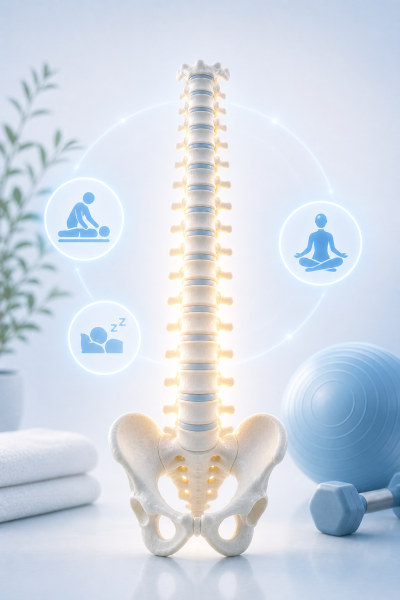
Most injuries don’t require surgery.
1. Physiotherapy
- Strengthens muscles
- Improves flexibility
2. Medications
- Pain relievers
- Anti-inflammatory drugs
3. Rest & Activity Modification
- Avoid heavy lifting temporarily
4. Posture Correction Training
- Essential for long-term recovery
5. Injections (if needed)
- Reduces inflammation
Surgical Treatment (When Required)
In severe cases:
- Herniated discs
- Nerve compression
- Structural damage
Procedures may include:
- Minimally invasive spine surgery
- Disc replacement
- Decompression surgery
Recovery Timeline for Athletes & Gym-Goers
Recovery depends on injury type and severity.
Mild Injuries
- 1–3 weeks
- Light movement + physiotherapy
Moderate Injuries
- 4–8 weeks
- Structured rehab
Severe Injuries
- 2–6 months
- Possibly surgery + rehab
Proper weightlifting back injury recovery is crucial—rushing back can worsen the condition.
Safe Return to Gym Strategy
Returning to the gym too early is a common mistake.
Step-by-Step Comeback Plan
- Start with bodyweight exercises
- Focus on mobility and flexibility
- Gradually increase weights
- Avoid high-risk lifts initially
- Work with a trainer or physiotherapist
Exercises to Reintroduce First
- Planks
- Glute bridges
- Light resistance training
Prevention Tips for Lifters
Prevention is always better than treatment.
1. Master Proper Form
Invest time in learning technique before increasing weight.
2. Warm-Up Properly
Include dynamic stretches and mobility drills.
3. Strengthen Core Muscles
A strong core protects your spine.
4. Avoid Ego Lifting
Lift smart, not heavy.
5. Use Proper Equipment
Belts and shoes can improve stability.
6. Take Rest Days
Recovery is part of training.
7. Stay Hydrated & Maintain Nutrition
Muscle health depends on proper nutrition.
FAQs
Q1. What is the best Weightlifting Spine Injury Treatment?
It depends on the injury. Most cases improve with physiotherapy, rest, and posture correction.
Q2. Can I continue gym after a spine injury?
Yes, but only after recovery and with modified workouts.
Q3. How long does weightlifting back injury recovery take?
Recovery can take anywhere from 2 weeks to several months.
Q4. When should I see a spine specialist?
If pain lasts more than 3–5 days or worsens, consult a doctor.
Conclusion
Weightlifting can transform your body—but only when done safely. Ignoring pain or pushing through injury can lead to long-term damage.
With proper Weightlifting Spine Injury Treatment, early diagnosis, and smart training habits, you can recover fully and return stronger.
🚨 Strong CTA
Don’t ignore back pain after workouts.
Get a professional assessment and personalized treatment plan today.
👉 Book your consultation with a spine specialist and start your recovery journey now.
